
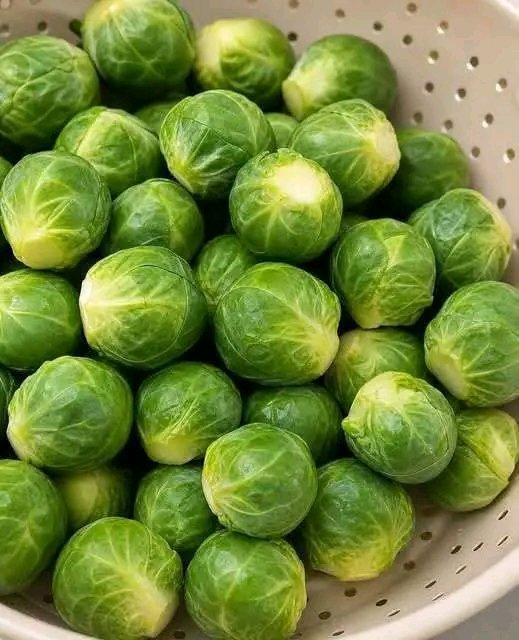
Brussels sprouts are among the most debated vegetables on the dinner table. Some people love their crispy edges and nutty flavor, while others avoid them because of their strong smell or bitter taste. But are Brussels sprouts really as unpopular as people claim?
The answer might surprise you! When prepared properly, these little green vegetables can become a delicious addition to almost any meal.
What Are Brussels Sprouts?
Brussels sprouts are small, round vegetables belonging to the same family as cabbage, broccoli, and cauliflower. They resemble miniature cabbages and grow along a thick central stalk.
Although they are available in many supermarkets throughout the year, Brussels sprouts are especially popular during the autumn and winter months. They are commonly roasted, steamed, sautéed, or added to salads and side dishes.
Why Do Some People Dislike Brussels Sprouts?
There are several reasons why Brussels sprouts have developed such a controversial reputation.
1. Their Bitter Taste
Brussels sprouts contain natural compounds that can produce a bitter flavor. Some people are genetically more sensitive to these compounds, making the vegetable taste much stronger to them.
2. Their Strong Smell
When Brussels sprouts are cooked for too long, sulfur-containing compounds can produce an unpleasant smell. This is one reason why some people remember disliking them from childhood.
3. Their Texture
Boiled Brussels sprouts can become soft and mushy if overcooked. For people who prefer crunchy vegetables, this texture may be unappealing.
Why Other People Love Them
Brussels sprouts can taste completely different depending on how they are prepared.
Roasting them in the oven helps caramelize their natural sugars, creating golden-brown edges and a slightly sweet, nutty flavor. Adding olive oil, garlic, black pepper, or a squeeze of lemon can make them even more appealing.
They also pair well with Parmesan cheese, toasted nuts, and balsamic vinegar.
Easy Roasted Brussels Sprouts Recipe
If you have never enjoyed Brussels sprouts, roasting them is a great place to start.
Ingredients
- 500 g Brussels sprouts
- 2 tablespoons olive oil
- 2 cloves garlic, minced
- Salt and black pepper, to taste
- 2 tablespoons grated Parmesan cheese (optional)
- 1 teaspoon lemon juice (optional)
Instructions
- Preheat your oven to 200°C (400°F).
- Wash the Brussels sprouts, remove any damaged outer leaves, and cut them in half.
- Toss them with olive oil, garlic, salt, and black pepper.
- Arrange them cut-side down on a baking sheet in a single layer.
- Roast for 20–30 minutes, turning if needed, until the edges are golden and the centers are tender.
- Add Parmesan cheese or lemon juice before serving, if desired.
Serve immediately as a side dish with roasted chicken, fish, potatoes, or your favorite main course.
Are Brussels Sprouts Healthy?
Yes! Brussels sprouts are nutritious vegetables that provide several important nutrients.
They contain:
- Vitamin C: Supports normal immune function.
- Vitamin K: Helps with normal blood clotting and bone health.
- Fiber: Supports digestion and bowel regularity.
- Folate: Helps the body produce cells.
- Antioxidant compounds: Contribute to a varied, balanced diet.
However, Brussels sprouts can cause gas or bloating in some people, particularly when eaten in large quantities. Starting with smaller portions may help.
People taking warfarin or certain related blood-thinning medications should keep their vitamin K intake consistent and discuss major dietary changes with their healthcare professional.
So, Do People Actually Eat Brussels Sprouts?
Absolutely! Brussels sprouts are enjoyed around the world, particularly when roasted, sautéed, or prepared with flavorful seasonings. Although some people dislike their taste, others consider them one of the best vegetables for a hearty meal.
The secret may simply be in the cooking method. If boiled Brussels sprouts were never your favorite, a crispy roasted version might change your mind.
Final Thoughts
Brussels sprouts may divide opinions, but they deserve a fair chance. Their nutritional value, versatility, and ability to develop a delicious caramelized flavor make them worth trying.
Now we want to hear from you! Do you love Brussels sprouts, or are they one vegetable you would rather avoid? Share your opinion in the comments!
Add a sharper opening hookMake the health section more cautious