
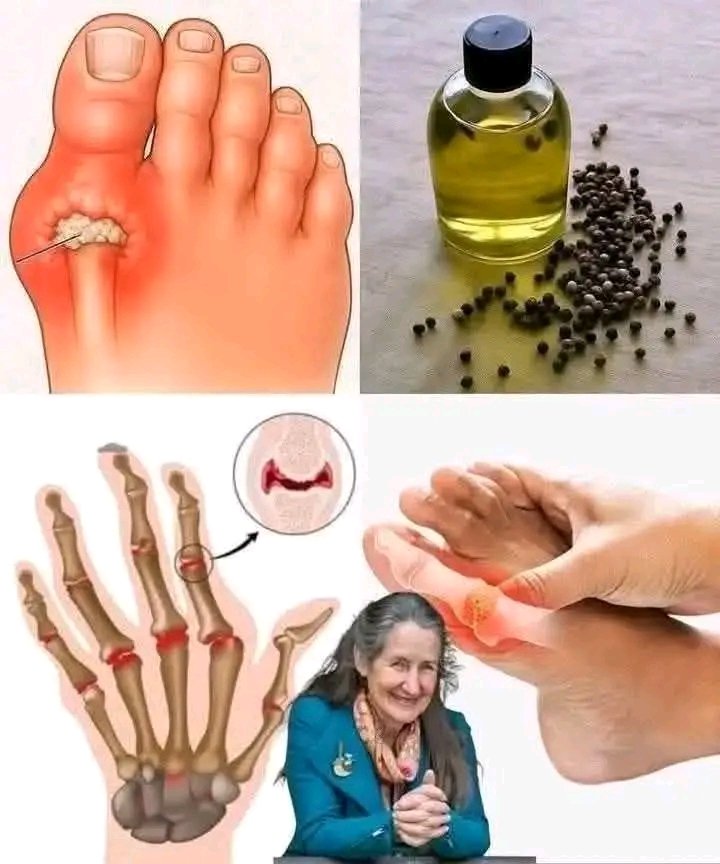
Can One Natural Oil Lower Uric Acid, Relieve Arthritis, Reduce Anxiety, and Stop Smoking and Alcohol Cravings?
Natural oils are often promoted online as powerful remedies for a wide range of health problems. Some claims suggest that a single oil can remove uric acid from the blood, cure arthritis and rheumatism, relieve anxiety, and eliminate cravings for cigarettes and alcohol.
Although certain oils may have uses in cooking, massage, or aromatherapy, there is no reliable scientific evidence that one natural oil can safely and effectively treat all these conditions. Understanding what the evidence actually shows can help you make informed decisions about your health.
1. Can Natural Oils Remove Uric Acid From the Blood?
Uric acid is a waste product produced when the body breaks down substances called purines. When uric acid builds up, it can form crystals in the joints and cause gout, a painful form of inflammatory arthritis.
Some oils contain unsaturated fats that can be part of a healthy diet, but no ordinary cooking oil has been proven to flush uric acid from the blood or cure gout.
What May Help Lower Uric Acid?
- Drink enough water, unless your healthcare professional has advised you to restrict fluids.
- Limit excessive alcohol consumption, especially beer and spirits.
- Reduce intake of sugary drinks containing high-fructose corn syrup.
- Discuss appropriate dietary changes with your healthcare professional.
- Take prescribed uric-acid-lowering medication when recommended.
Diet can support gout management, but many people need medication to reach and maintain their uric acid target.
2. Can Natural Oils Cure Arthritis and Rheumatism?
Arthritis describes a group of conditions that cause joint pain, swelling, and stiffness. Treatment depends on the underlying cause.
Some topical oils may provide a pleasant massage experience or temporary comfort, but there is insufficient evidence that they cure chronic arthritis, reverse joint damage, or eliminate the underlying inflammation.
For certain conditions, appropriate treatment may include physical activity, physiotherapy, anti-inflammatory medication, or disease-modifying medication prescribed by a specialist.
Persistent joint swelling, severe pain, or a suddenly hot and swollen joint should be medically assessed. A hot, swollen joint accompanied by fever requires urgent medical attention.
3. Can Essential Oils Relieve Anxiety?
Certain scents, including lavender, have been studied for their possible role in relaxation. Some people find aromatherapy calming, but research findings vary, and essential oils are not a substitute for established anxiety treatments.
If you enjoy aromatherapy, use products according to their instructions, provide adequate ventilation, and avoid swallowing essential oils. Concentrated oils can cause poisoning or irritation, and some may trigger allergic reactions.
For ongoing anxiety, evidence-based options include psychological therapies, stress-management strategies, and medication when appropriate.
4. Can an Oil Stop Cigarette Cravings?
No natural oil has been shown to reliably eliminate nicotine dependence.
Quitting smoking can be difficult because nicotine changes the brain’s reward pathways. Effective support can include nicotine replacement therapy, prescription treatments, counseling, and a structured quit plan.
Practical strategies include identifying smoking triggers, delaying a cigarette when a craving begins, keeping your hands occupied, and seeking support from a healthcare professional or smoking-cessation service.
Cravings usually change in intensity over time, and support can make quitting more manageable.
5. Can an Oil Eliminate Alcohol Cravings?
There is no proven oil that cures alcohol dependence or reliably stops alcohol cravings.
Evidence-based treatment may include counseling, peer-support programs, and medications prescribed by a healthcare professional. Treatment should be tailored to the person’s needs and circumstances.
Important: If you drink heavily or regularly and may be physically dependent on alcohol, do not suddenly stop without medical advice. Alcohol withdrawal can be dangerous and may require supervised treatment.
6. Are Natural Oils Safe?
Natural products are not automatically safe. Depending on the oil, possible risks include skin irritation, allergic reactions, medication interactions, and toxicity if swallowed.
Before using an oil for a medical purpose, check its ingredients and discuss it with a healthcare professional, particularly if you take medication or have an ongoing health condition.
Be cautious of online claims that promise to cure multiple unrelated illnesses with a single ingredient.
Final Thoughts
No single natural oil has been proven to remove uric acid from the blood, cure chronic arthritis, eliminate anxiety, and stop cigarette and alcohol cravings.
Natural oils may have limited uses as foods or complementary wellness products, but they should not replace appropriate medical treatment. The safest approach is to identify the cause of each problem and choose treatments supported by reliable evidence.
If you know the name of the oil mentioned in the original claim, check its ingredients and evidence before using it. A specific product can be evaluated more accurately than a general promise of a miracle cure.
Add a clear medical disclaimerMake the opening more engaging