
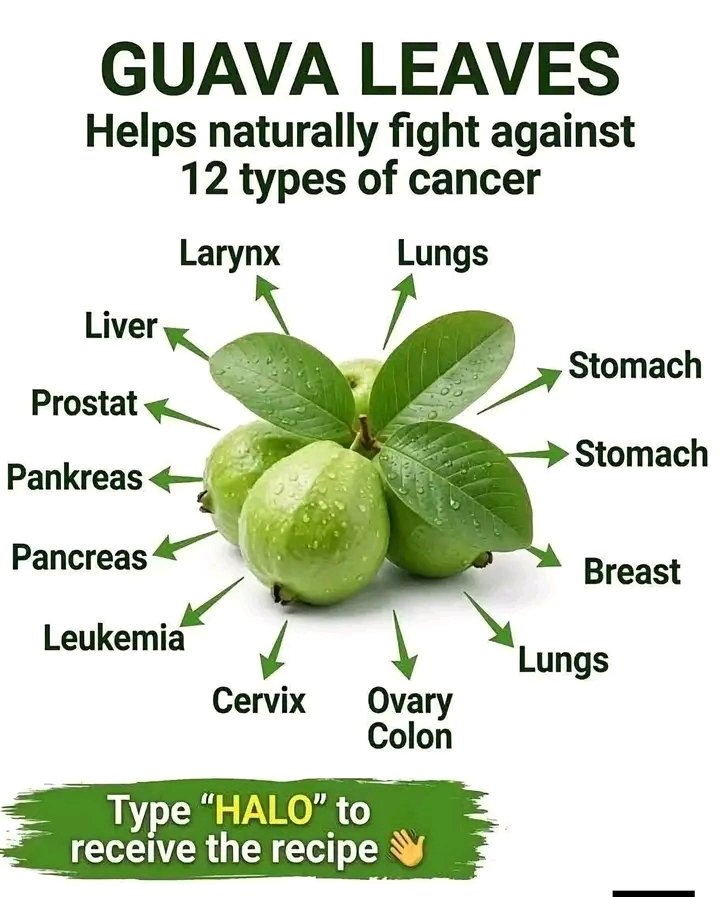
Guava Leaves: Surprising Benefits, Traditional Uses, and How to Make Guava Leaf Tea
Guava leaves are widely used in traditional herbal practices and are attracting interest because of their natural plant compounds. While guava fruit is well known for its delicious flavor and nutritional value, the leaves of the guava tree (Psidium guajava) have their own fascinating history and potential benefits.
5 Interesting Facts About Guava Leaves
1. Rich in Natural Plant Compounds
Guava leaves contain antioxidants, including flavonoids and other polyphenols. These compounds are studied for their potential role in protecting cells from oxidative stress.
2. Traditionally Used to Support Digestion
In various traditional practices, guava leaf preparations have been used for digestive complaints, including diarrhea. However, scientific evidence remains limited, and severe or persistent diarrhea requires medical attention.
3. Studied for Blood Sugar Management
Some small human studies suggest that guava leaf tea may influence blood sugar levels after meals. More research is needed, and it should never replace prescribed diabetes medication.
4. Used in Traditional Skin Care
Guava leaves have been explored for their antimicrobial and antioxidant properties. However, evidence that homemade guava leaf preparations safely treat skin conditions in humans is insufficient. Avoid applying untested preparations to irritated or broken skin.
5. Easy to Prepare as Herbal Tea
Guava leaves can be used to make a simple herbal infusion. The tea has a mild, earthy taste and can be enjoyed warm.
How to Make Guava Leaf Tea
Ingredients
- 4–5 clean guava leaves, fresh or dried
- 2 cups (475 ml) water
- Honey or lemon, optional
Instructions
- Wash fresh guava leaves thoroughly under running water.
- Bring the water to a boil in a small saucepan.
- Add the leaves and simmer gently for 5–10 minutes.
- Remove from the heat and allow the tea to steep for another 5 minutes.
- Strain into a cup and let it cool to a comfortable temperature.
- Add a little honey or lemon if desired.
Important Safety Considerations
Guava leaves are not a proven treatment for disease. Their safety in medicinal quantities, during pregnancy or breastfeeding, and with certain medications has not been established. People taking medication for diabetes should be particularly cautious because of a possible effect on blood sugar.
Final Thoughts
Guava leaves are an interesting part of traditional herbal practices, offering natural plant compounds and a simple way to prepare herbal tea. Although early research is promising in some areas, further high-quality studies are needed to confirm their health benefits.
Have you ever tried guava leaf tea? Share your experience in the comments!
Add a clear WordPress SEO packageMake the health claims more cautious