
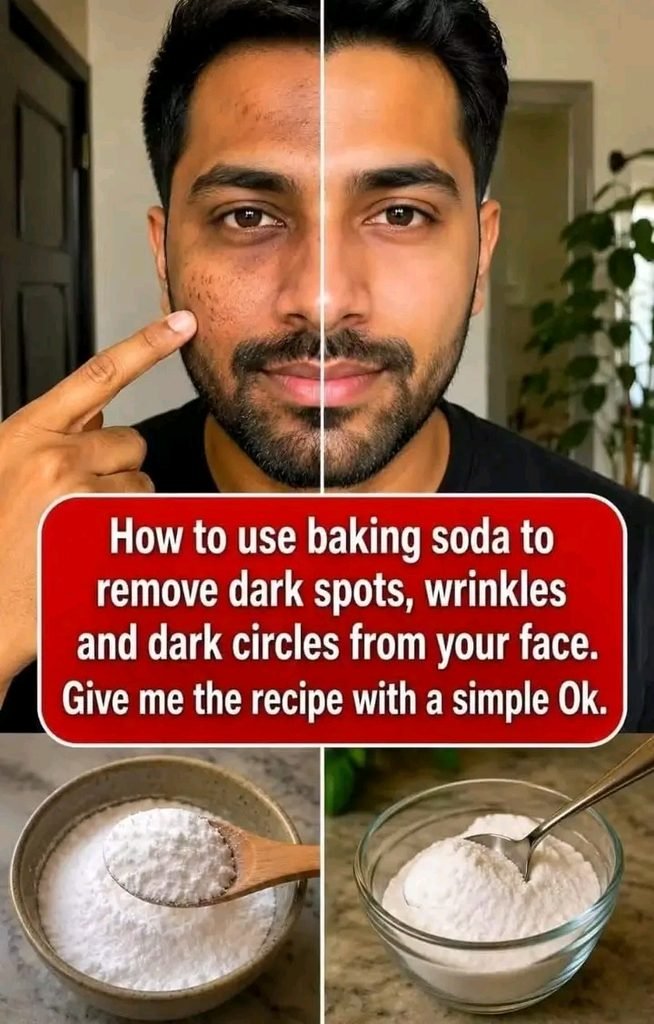
Baking soda is a common kitchen ingredient that appears in many homemade beauty remedies. Some people use it as a facial scrub, a cleanser, or a treatment for oily skin and blemishes. But is baking soda actually good for your face?
Although baking soda has certain household uses, applying it to facial skin can cause irritation and disrupt the skin’s natural protective barrier. Understanding its benefits, limitations, and risks can help you make safer skincare choices.
What Is Baking Soda?
Baking soda, also known as sodium bicarbonate, is a white powder commonly used in baking and household cleaning. It is mildly alkaline, while healthy facial skin is naturally slightly acidic.
This difference in pH is important because the skin’s protective barrier helps retain moisture and defend against irritants and harmful microorganisms.
Potential Benefits of Baking Soda for the Face
Baking soda is often promoted as a natural skincare ingredient, but scientific evidence supporting its use as a facial treatment is limited.
1. It May Provide Physical Exfoliation
Because baking soda is a fine powder, rubbing it against the skin can remove some surface debris. However, its abrasive effect may cause irritation, particularly if you scrub vigorously or have sensitive skin.
Gentle exfoliating products formulated specifically for facial skin are generally a better option.
2. It Can Absorb Moisture
Baking soda can absorb moisture in some household applications, but that does not make it a suitable treatment for oily facial skin. Excessive use may irritate the skin without addressing the underlying causes of oil production.
3. It Is Sometimes Used in Homemade Face Masks
Online beauty recipes sometimes combine baking soda with water, honey, lemon juice, or other ingredients. However, these mixtures have not been established as safe or effective facial treatments.
Adding lemon juice can introduce further irritation, and combining household ingredients does not guarantee a balanced or skin-friendly formula.
Risks of Applying Baking Soda to Your Face
1. Disruption of the Skin Barrier
Baking soda’s alkaline nature may interfere with the skin’s natural acidity. Repeated application can contribute to dryness, irritation, and impaired barrier function.
2. Redness and Burning
Some people experience stinging, redness, itching, or a burning sensation after applying baking soda, especially when it is rubbed into the skin.
3. Worsening Sensitive Skin
If you have eczema, rosacea, acne-related irritation, or naturally sensitive skin, baking soda may aggravate your symptoms.
4. Increased Dryness
Scrubbing with baking soda may strip away protective surface oils, leaving the skin feeling tight, rough, or uncomfortable.
5. Irritation Around the Eyes
The skin around the eyes is delicate. Baking soda should not be applied near the eyes or used to treat dark circles, puffiness, or eye-area discoloration.
How to Use Baking Soda More Safely
The safest recommendation is to avoid using baking soda as a routine facial cleanser, scrub, or mask. It is not necessary for a healthy skincare routine, and gentler alternatives are available.
If you have already applied it and experience irritation:
- Rinse your face gently with lukewarm water.
- Avoid scrubbing or applying additional exfoliating products.
- Use a gentle, fragrance-free moisturizer.
- Stop using the product if redness, burning, or dryness develops.
- Seek medical advice if symptoms are severe, persistent, or worsening.
Do not apply baking soda to broken skin, and never mix it with harsh household cleaning products.
Better Alternatives for Healthy Skin
You can support your skin with a simple routine that is appropriate for your skin type.
For cleansing: Use a gentle facial cleanser that does not leave your skin feeling tight.
For moisturizing: Choose a fragrance-free moisturizer suited to your skin type.
For exfoliation: If needed, consider a properly formulated product containing ingredients such as salicylic acid or lactic acid, depending on your skin concerns and tolerance.
For sun protection: Apply broad-spectrum sunscreen with SPF 30 or higher during the day.
If acne, dark spots, or persistent irritation are your main concerns, a dermatologist can recommend treatments with better evidence of effectiveness.
Frequently Asked Questions
Can baking soda remove dark spots?
There is no good evidence that baking soda safely fades dark spots. Irritation may actually worsen discoloration in some skin tones. Sunscreen and appropriately selected skincare ingredients are generally more useful.
Can baking soda treat acne?
Baking soda is not an established acne treatment. It can irritate the skin and potentially make inflammation worse. Evidence-based acne treatments are preferable.
How often should I use baking soda on my face?
There is no scientifically established safe frequency for routine facial use. Because it can disrupt the skin barrier, it is better to choose products specifically formulated for facial skin.
Can I mix baking soda with lemon juice?
This combination is not recommended as a facial treatment. Lemon juice can irritate the skin, and the mixture has no established benefit for acne, pigmentation, or skin rejuvenation.
Final Thoughts
Baking soda is useful in many kitchens, but that does not mean it belongs in your skincare routine. Its alkaline properties and abrasive texture may irritate the face, especially with repeated use.
For smoother, healthier-looking skin, choose gentle cleansing, appropriate moisturizing, sun protection, and treatments supported by scientific evidence. Natural or inexpensive ingredients are not always the safest choice for your skin.
Add a clear medical disclaimerMake the safety advice more actionable