
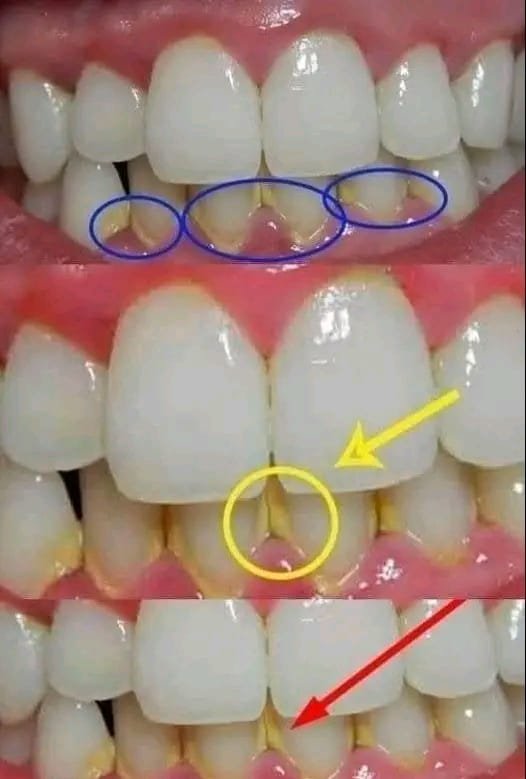
Can You Remove Dental Plaque in 5 Minutes Naturally Without Going to the Dentist?
Dental plaque is a common oral health concern that affects people of all ages. It develops when bacteria in the mouth mix with saliva and food particles, forming a sticky film on the teeth. If plaque is not removed regularly, it can contribute to cavities, gum inflammation, bad breath, and eventually hardened deposits known as tartar.
Many online tips promise to remove dental plaque naturally in just five minutes. But is that really possible?
The truth is that soft dental plaque can be removed through proper brushing and flossing, but hardened tartar cannot safely be removed at home in five minutes. Understanding the difference can help you protect your teeth and gums without using potentially harmful remedies.
1. Brush Your Teeth With Fluoride Toothpaste
Brushing is one of the most effective ways to remove soft plaque from tooth surfaces.
For the best results:
- Use a soft-bristled toothbrush.
- Brush for two minutes, twice daily.
- Use fluoride toothpaste to help protect against tooth decay.
- Gently clean along the gumline and the outer, inner, and chewing surfaces of every tooth.
An electric toothbrush may also help remove plaque effectively when used correctly.
Avoid brushing aggressively. Excessive pressure can irritate the gums and contribute to enamel wear over time.
2. Clean Between Your Teeth With Dental Floss
A toothbrush cannot reach every surface between your teeth. Plaque can accumulate in these spaces, increasing the risk of gum inflammation and tooth decay.
Use dental floss or an appropriately sized interdental brush to clean between your teeth once a day.
Move the floss gently along the side of each tooth rather than snapping it into the gums. If flossing is difficult, a dentist or dental hygienist can recommend an alternative that suits your needs.
3. Try a Warm Saltwater Rinse for Gum Comfort
A warm saltwater rinse may temporarily soothe irritated gums, although it does not remove hardened tartar or replace brushing and flossing.
To prepare a simple rinse:
- Dissolve half a teaspoon of salt in a glass of warm water.
- Swish the solution gently around your mouth.
- Spit it out rather than swallowing it.
Use this method as an optional comfort measure, not as a plaque-removal treatment. If your gums are persistently swollen, tender, or bleeding, arrange a dental assessment.
4. Avoid Lemon Juice, Vinegar, and Abrasive Powders
Some home remedies recommend applying lemon juice, apple cider vinegar, or abrasive powders to the teeth.
These approaches can be harmful. Acidic substances may weaken tooth enamel, while abrasive mixtures and aggressive scrubbing can damage tooth surfaces or irritate the gums.
Baking soda is an ingredient in some formulated toothpastes, but that does not mean every homemade mixture is safe or effective. Choose an established fluoride toothpaste instead of experimenting with harsh ingredients.
Never use sharp metal objects, pins, or other improvised tools to scrape deposits off your teeth.
5. Understand the Difference Between Plaque and Tartar
Although plaque and tartar are related, they are not the same.
Dental plaque is a soft, sticky film of bacteria that can usually be disrupted by thorough brushing and cleaning between the teeth.
Tartar, also called dental calculus, forms when plaque hardens through mineralization. Once it has developed, ordinary brushing and flossing cannot reliably remove it.
Tartar often appears as a yellowish or brown deposit near the gumline or behind the lower front teeth. However, its appearance varies, and discoloration alone cannot confirm what a deposit is.
If you suspect tartar buildup, a dental professional can remove it using appropriate instruments.
6. Prevent Plaque From Building Up Again
A consistent daily routine is more effective than searching for a one-time solution.
Follow these habits to support healthier teeth and gums:
- Brush twice a day with fluoride toothpaste.
- Clean between your teeth daily.
- Limit frequent sugary snacks and drinks.
- Drink water regularly, particularly after meals.
- Avoid tobacco products, which can increase oral health risks.
- Visit a dentist according to your oral health needs and professional recommendations.
If you have braces, dental implants, gum disease, or other dental concerns, ask your dental professional about the most suitable cleaning tools and routine.
When Should You See a Dentist?
Home care is important, but it cannot replace professional treatment when a dental problem requires it.
Arrange a dental appointment if you notice persistent bleeding gums, bad breath that does not improve with good oral hygiene, visible hardened deposits, gum recession, or increasing tooth sensitivity.
Seek urgent dental care for severe tooth pain, facial swelling, or signs of a spreading dental infection. Difficulty breathing or swallowing with facial or mouth swelling requires emergency medical attention.
Final Thoughts
Removing soft dental plaque does not require a complicated homemade remedy. Careful brushing with fluoride toothpaste and daily cleaning between your teeth are the most reliable ways to control plaque at home.
However, no natural remedy can safely guarantee the removal of all plaque in five minutes, and hardened tartar generally requires professional cleaning.
Instead of relying on quick fixes, focus on consistent oral hygiene and seek dental advice when deposits or gum symptoms persist. Your teeth and gums will benefit more from safe daily habits than from potentially damaging shortcuts.
Medical disclaimer: This article is for educational purposes only and does not replace professional dental advice, diagnosis, or treatment.
WordPress SEO Details
SEO Title: Remove Dental Plaque Naturally: What Really Works?
Focus Keyphrase: how to remove dental plaque naturally
Meta Description: Learn how to control dental plaque at home with brushing, flossing, and safe oral hygiene habits. Discover why hardened tartar requires professional removal.
URL Slug: remove-dental-plaque-naturally
Category: Oral Health
Tags: Dental Plaque, Oral Hygiene, Healthy Teeth, Gum Health, Dental Care, Tartar Removal
Make the five-minute answer more prominentAdd a realistic five-minute routine