
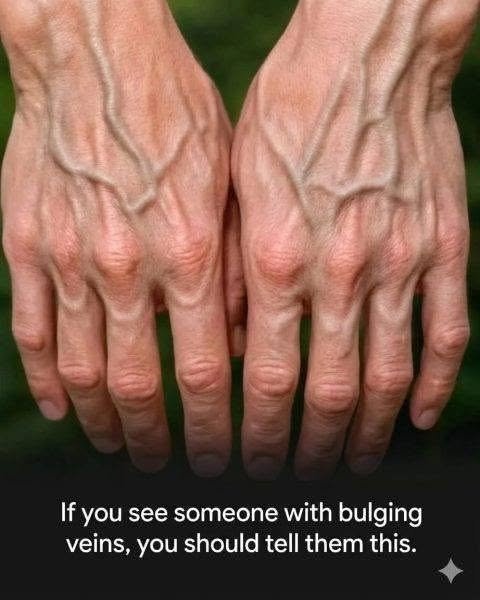
Have you ever looked at your hands, arms, or legs and noticed that your veins seem more visible than usual? Perhaps they appear blue, green, or slightly raised beneath your skin. You might wonder whether this is simply a normal part of aging or a sign that something is happening inside your body.
The truth is that visible veins are often completely normal, but their appearance, location, and associated symptoms can sometimes provide important clues about your circulation.
Factors such as genetics, skin thickness, body composition, physical activity, and age can all influence how noticeable your veins are. In some cases, prominent veins may indicate varicose veins or another condition that deserves medical attention.
Here are seven things you should know about visible veins and when to seek medical advice.
1. Your Skin May Simply Be Thin
One of the most common reasons veins become visible is that the skin covering them is relatively thin.
Superficial veins sit close to the surface of the skin. When the skin is thinner or contains less tissue beneath it, these veins can become easier to see.
This is particularly common on the backs of the hands, forearms, and feet. As people age, their skin naturally becomes thinner and loses some elasticity, making underlying blood vessels more noticeable.
What it means: If your veins have been visible for years and you have no pain, swelling, or other symptoms, their appearance may simply reflect your natural anatomy.
However, a sudden or unexplained change should not automatically be attributed to aging.
2. Low Body Fat Can Make Veins Stand Out
People with lower levels of body fat often have more visible veins, particularly on their hands, arms, and legs.
The layer of tissue beneath the skin helps determine how easily superficial veins can be seen. When that layer is thinner, the veins may appear more prominent.
This is one reason athletes and people who regularly perform strength training sometimes have noticeable veins.
What it means: Visible veins do not automatically indicate a health problem, nor do they reliably prove that someone is exceptionally fit or healthy.
If your veins have become much more noticeable alongside unexplained weight loss, weakness, or other new symptoms, speak with a healthcare professional.
3. Exercise and Physical Activity Can Temporarily Enlarge Veins
Have you noticed your veins becoming more prominent after lifting weights, running, or performing an intense workout?
During exercise, blood flow increases to working muscles. Changes in circulation and pressure can make superficial veins stand out more clearly.
This effect is often temporary, and the veins may become less noticeable after you cool down and your circulation returns to its usual resting pattern.
What it means: Veins that become more visible during exercise and then settle afterward are often a normal response to physical activity.
However, sudden painful swelling, marked discoloration, or a vein that remains unusually enlarged and tender should be evaluated rather than dismissed as an exercise effect.
4. Aging and Genetics Play a Major Role
Some people naturally have more visible veins than others. Family traits can influence vein structure, skin characteristics, and the likelihood of developing varicose veins.
As people grow older, changes in skin thickness and elasticity can make veins more noticeable. Aging can also increase the likelihood of problems with the valves inside leg veins.
These valves normally help blood move toward the heart. If they weaken, blood can flow backward and collect in superficial veins, causing them to enlarge and become twisted.
What it means: Visible veins may reflect normal inherited characteristics, age-related changes, or a condition such as varicose veins.
If the veins in your legs are bulging, twisted, painful, or accompanied by swelling, a medical assessment can help determine the cause.
5. Bulging Veins in Your Legs May Be Varicose Veins
Not all visible veins are the same.
Small, fine red, blue, or purple lines may be spider veins. Larger veins that bulge beneath the skin and look twisted or rope-like may be varicose veins.
Varicose veins can develop when the valves that help blood travel back toward the heart stop working efficiently. This allows blood to pool and increases pressure within the affected veins.
Possible symptoms include:
- Aching or throbbing in the legs
- A feeling of heaviness or tiredness
- Swelling around the ankles or feet
- Itching or skin irritation
- Changes in skin color near the ankles
Symptoms may become more noticeable after standing or sitting for extended periods.
What to do: Regular walking, avoiding long periods in one position, and elevating your legs when resting may help relieve symptoms. If your veins are painful, worsening, or associated with skin changes, consult a healthcare professional.
Treatment options are available when varicose veins cause discomfort or complications.
6. Sudden Changes in Visible Veins Deserve Attention
A vein that has always been visible is different from a vein that suddenly becomes enlarged, painful, red, warm, or tender.
Sometimes, a painful, firm vein close to the skin can indicate inflammation or a clot in a superficial vein. Other symptoms, especially sudden swelling in one arm or leg, may indicate a deeper blood clot.
Watch for:
- New swelling affecting one leg or arm
- Pain or tenderness in the affected area
- Skin that feels warm or looks red or darker than usual
- A hard, painful vein
- Sudden or unexplained changes in circulation
Seek urgent medical assessment if you develop these symptoms, particularly if they affect one limb.
If swelling or pain is accompanied by sudden shortness of breath, chest pain, coughing up blood, or collapse, call emergency services immediately. These can be signs of a potentially life-threatening blood clot in the lungs.
Do not massage a painful, swollen limb while waiting to be assessed.
7. Visible Veins Do Not Tell the Whole Story About Your Health
It is tempting to interpret visible veins as proof of poor circulation, dehydration, high blood pressure, or another medical condition. But their appearance alone cannot establish any of these diagnoses.
Many people have prominent veins without having a circulation disorder. Conversely, some serious vascular conditions can develop without obvious veins on the skin.
What matters is the overall picture: whether the veins are new, where they appear, whether they are changing, and whether other symptoms are present.
What it means: A healthcare professional may examine the area and, if necessary, recommend further testing such as a duplex ultrasound to assess blood flow and investigate suspected vein problems.
Avoid relying on vein appearance alone to diagnose yourself or starting supplements and home remedies intended to improve circulation without understanding the underlying cause.
How Can You Support Healthy Veins?
Although you cannot change your genetics or completely prevent age-related changes, several habits may support circulation and help reduce discomfort associated with some vein conditions.
- Move regularly: Walking activates the calf muscles, which help move blood back toward the heart.
- Avoid staying in one position for too long: Take movement breaks during prolonged sitting or standing.
- Elevate your legs when resting: This may help relieve swelling associated with varicose veins.
- Maintain a healthy weight for you: This can reduce pressure on the veins in your legs.
- Protect your skin: Moisturize dry skin and avoid injuring prominent veins.
- Seek advice about compression stockings: These can help some people, but a healthcare professional should confirm that they are appropriate for your circulation.
If a visible vein bleeds, apply firm, continuous pressure with a clean cloth and seek medical advice. Heavy bleeding that does not stop requires emergency care.
When Should You See a Doctor?
Arrange a medical appointment if your veins become increasingly prominent, painful, swollen, itchy, or associated with skin changes or sores that do not heal.
Seek urgent assessment for a suddenly swollen limb or a painful, warm, discolored area. Call emergency services if these symptoms occur alongside chest pain, severe breathing difficulty, or collapse.
If your veins are simply visible and have not changed, with no accompanying symptoms, they are often a normal variation in your body’s appearance.
Final Thoughts
Visible veins can be caused by thin skin, lower body fat, exercise, aging, and genetics. Sometimes, however, bulging veins—particularly in the legs—can be associated with varicose veins or other circulation problems.
The most important distinction is not whether your veins are visible, but whether they have changed or are accompanied by symptoms.
Do not panic about prominent veins, but do not ignore sudden changes, pain, or swelling. Paying attention to these signs and seeking medical advice when appropriate can help you protect your vascular health.
Medical Disclaimer
This article is for educational purposes only and does not replace professional medical advice, diagnosis, or treatment. Visible veins cannot be used alone to determine whether a circulation problem is present. Seek professional evaluation for new or concerning symptoms.
Sources and Further Reading
- NHS: Varicose Veins — Symptoms, Causes, and Treatment
- Cleveland Clinic: Bulging Veins — Causes and When to Seek Care
- MedlinePlus: Varicose Veins
- NHS: Phlebitis — Symptoms and Urgent Warning Signs
Make the emergency warning more prominentTighten repeated reassurance and advice
If Your Veins Are Visible, What Does It Mean? 7 Things You Should Know
Have you ever looked at your hands, arms, or legs and noticed that your veins seem more visible than usual? Perhaps they appear blue, green, or slightly raised beneath your skin. You might wonder whether this is simply a normal part of aging or a sign that something is happening inside your body.
The truth is that visible veins are often completely normal, but their appearance, location, and associated symptoms can sometimes provide important clues about your circulation.
Factors such as genetics, skin thickness, body composition, physical activity, and age can all influence how noticeable your veins are. In some cases, prominent veins may indicate varicose veins or another condition that deserves medical attention.
Here are seven things you should know about visible veins and when to seek medical advice.
1. Your Skin May Simply Be Thin
One of the most common reasons veins become visible is that the skin covering them is relatively thin.
Superficial veins sit close to the surface of the skin. When the skin is thinner or contains less tissue beneath it, these veins can become easier to see.
This is particularly common on the backs of the hands, forearms, and feet. As people age, their skin naturally becomes thinner and loses some elasticity, making underlying blood vessels more noticeable.
What it means: If your veins have been visible for years and you have no pain, swelling, or other symptoms, their appearance may simply reflect your natural anatomy.
However, a sudden or unexplained change should not automatically be attributed to aging.
2. Low Body Fat Can Make Veins Stand Out
People with lower levels of body fat often have more visible veins, particularly on their hands, arms, and legs.
The layer of tissue beneath the skin helps determine how easily superficial veins can be seen. When that layer is thinner, the veins may appear more prominent.
This is one reason athletes and people who regularly perform strength training sometimes have noticeable veins.
What it means: Visible veins do not automatically indicate a health problem, nor do they reliably prove that someone is exceptionally fit or healthy.
If your veins have become much more noticeable alongside unexplained weight loss, weakness, or other new symptoms, speak with a healthcare professional.
3. Exercise and Physical Activity Can Temporarily Enlarge Veins
Have you noticed your veins becoming more prominent after lifting weights, running, or performing an intense workout?
During exercise, blood flow increases to working muscles. Changes in circulation and pressure can make superficial veins stand out more clearly.
This effect is often temporary, and the veins may become less noticeable after you cool down and your circulation returns to its usual resting pattern.
What it means: Veins that become more visible during exercise and then settle afterward are often a normal response to physical activity.
However, sudden painful swelling, marked discoloration, or a vein that remains unusually enlarged and tender should be evaluated rather than dismissed as an exercise effect.
4. Aging and Genetics Play a Major Role
Some people naturally have more visible veins than others. Family traits can influence vein structure, skin characteristics, and the likelihood of developing varicose veins.
As people grow older, changes in skin thickness and elasticity can make veins more noticeable. Aging can also increase the likelihood of problems with the valves inside leg veins.
These valves normally help blood move toward the heart. If they weaken, blood can flow backward and collect in superficial veins, causing them to enlarge and become twisted.
What it means: Visible veins may reflect normal inherited characteristics, age-related changes, or a condition such as varicose veins.
If the veins in your legs are bulging, twisted, painful, or accompanied by swelling, a medical assessment can help determine the cause.
5. Bulging Veins in Your Legs May Be Varicose Veins
Not all visible veins are the same.
Small, fine red, blue, or purple lines may be spider veins. Larger veins that bulge beneath the skin and look twisted or rope-like may be varicose veins.
Varicose veins can develop when the valves that help blood travel back toward the heart stop working efficiently. This allows blood to pool and increases pressure within the affected veins.
Possible symptoms include:
- Aching or throbbing in the legs
- A feeling of heaviness or tiredness
- Swelling around the ankles or feet
- Itching or skin irritation
- Changes in skin color near the ankles
Symptoms may become more noticeable after standing or sitting for extended periods.
What to do: Regular walking, avoiding long periods in one position, and elevating your legs when resting may help relieve symptoms. If your veins are painful, worsening, or associated with skin changes, consult a healthcare professional.
Treatment options are available when varicose veins cause discomfort or complications.
6. Sudden Changes in Visible Veins Deserve Attention
A vein that has always been visible is different from a vein that suddenly becomes enlarged, painful, red, warm, or tender.
Sometimes, a painful, firm vein close to the skin can indicate inflammation or a clot in a superficial vein. Other symptoms, especially sudden swelling in one arm or leg, may indicate a deeper blood clot.
Watch for:
- New swelling affecting one leg or arm
- Pain or tenderness in the affected area
- Skin that feels warm or looks red or darker than usual
- A hard, painful vein
- Sudden or unexplained changes in circulation
Seek urgent medical assessment if you develop these symptoms, particularly if they affect one limb.
If swelling or pain is accompanied by sudden shortness of breath, chest pain, coughing up blood, or collapse, call emergency services immediately. These can be signs of a potentially life-threatening blood clot in the lungs.
Do not massage a painful, swollen limb while waiting to be assessed.
7. Visible Veins Do Not Tell the Whole Story About Your Health
It is tempting to interpret visible veins as proof of poor circulation, dehydration, high blood pressure, or another medical condition. But their appearance alone cannot establish any of these diagnoses.
Many people have prominent veins without having a circulation disorder. Conversely, some serious vascular conditions can develop without obvious veins on the skin.
What matters is the overall picture: whether the veins are new, where they appear, whether they are changing, and whether other symptoms are present.
What it means: A healthcare professional may examine the area and, if necessary, recommend further testing such as a duplex ultrasound to assess blood flow and investigate suspected vein problems.
Avoid relying on vein appearance alone to diagnose yourself or starting supplements and home remedies intended to improve circulation without understanding the underlying cause.
How Can You Support Healthy Veins?
Although you cannot change your genetics or completely prevent age-related changes, several habits may support circulation and help reduce discomfort associated with some vein conditions.
- Move regularly: Walking activates the calf muscles, which help move blood back toward the heart.
- Avoid staying in one position for too long: Take movement breaks during prolonged sitting or standing.
- Elevate your legs when resting: This may help relieve swelling associated with varicose veins.
- Maintain a healthy weight for you: This can reduce pressure on the veins in your legs.
- Protect your skin: Moisturize dry skin and avoid injuring prominent veins.
- Seek advice about compression stockings: These can help some people, but a healthcare professional should confirm that they are appropriate for your circulation.
If a visible vein bleeds, apply firm, continuous pressure with a clean cloth and seek medical advice. Heavy bleeding that does not stop requires emergency care.
When Should You See a Doctor?
Arrange a medical appointment if your veins become increasingly prominent, painful, swollen, itchy, or associated with skin changes or sores that do not heal.
Seek urgent assessment for a suddenly swollen limb or a painful, warm, discolored area. Call emergency services if these symptoms occur alongside chest pain, severe breathing difficulty, or collapse.
If your veins are simply visible and have not changed, with no accompanying symptoms, they are often a normal variation in your body’s appearance.
Final Thoughts
Visible veins can be caused by thin skin, lower body fat, exercise, aging, and genetics. Sometimes, however, bulging veins—particularly in the legs—can be associated with varicose veins or other circulation problems.
The most important distinction is not whether your veins are visible, but whether they have changed or are accompanied by symptoms.
Do not panic about prominent veins, but do not ignore sudden changes, pain, or swelling. Paying attention to these signs and seeking medical advice when appropriate can help you protect your vascular health.
Medical Disclaimer
This article is for educational purposes only and does not replace professional medical advice, diagnosis, or treatment. Visible veins cannot be used alone to determine whether a circulation problem is present. Seek professional evaluation for new or concerning symptoms.
Sources and Further Reading
- NHS: Varicose Veins — Symptoms, Causes, and Treatment
- Cleveland Clinic: Bulging Veins — Causes and When to Seek Care
- MedlinePlus: Varicose Veins
- NHS: Phlebitis — Symptoms and Urgent Warning Signs
Make the emergency warning more prominentTighten repeated reassurance and advice