
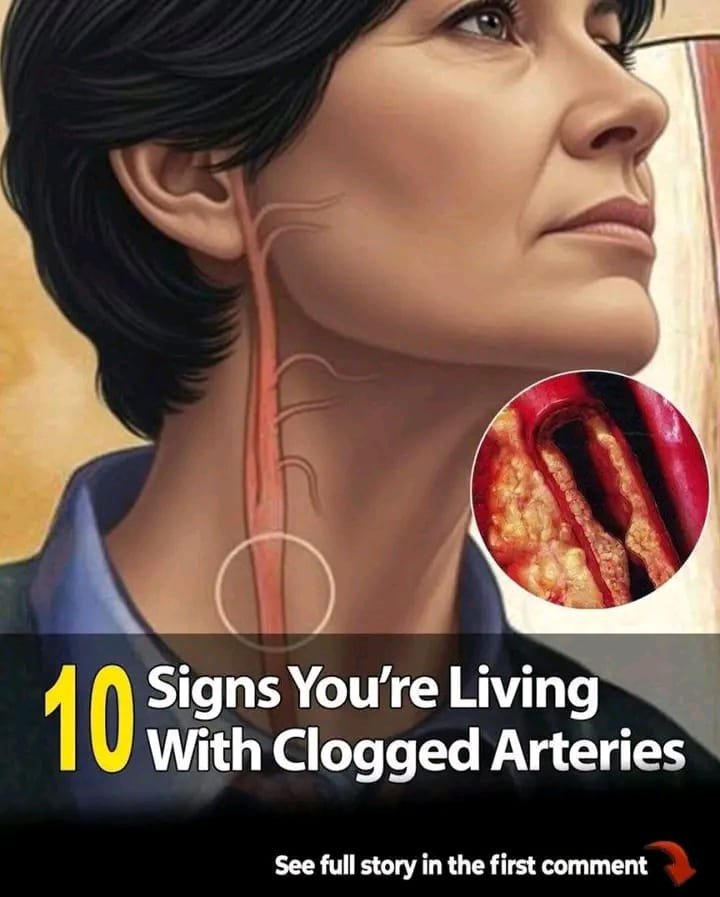
Blocked arteries can develop gradually, sometimes without obvious symptoms until blood flow becomes seriously restricted. Recognizing potential warning signs can help people seek medical attention early and reduce the risk of complications such as a heart attack or stroke.
One important point: symptoms alone cannot confirm that an artery is blocked. The signs depend on which arteries are affected, and some people have no noticeable symptoms at all.
10 Indicators of Blocked Arteries You Shouldn’t Ignore
Blocked arteries are a serious health concern that can develop over many years. They often result from atherosclerosis, a condition in which fatty deposits called plaque build up inside artery walls, narrowing the space available for blood to flow.
When blood flow becomes restricted, the effects depend on which arteries are affected. Arteries supplying the heart, brain, and legs can all be involved, and symptoms may range from discomfort during physical activity to sudden, life-threatening emergencies.
Here are 10 warning signs worth knowing, along with guidance on when to seek medical attention.
1. Chest Pain or Pressure
Chest discomfort can be a sign that the arteries supplying the heart are narrowed. This symptom, known as angina, may feel like pressure, squeezing, heaviness, tightness, or burning in the chest.
It may occur during exercise, emotional stress, or other activities that increase the heart’s demand for oxygen. It can also happen at rest, particularly when a heart attack is developing.
Seek emergency help for new, severe, persistent, or recurring chest discomfort, especially when accompanied by sweating, nausea, breathlessness, or dizziness.
2. Shortness of Breath
Feeling unusually breathless during ordinary activities may indicate a heart or lung problem. When the heart muscle receives insufficient blood, its ability to meet the body’s demands can be affected.
Shortness of breath may occur with chest discomfort or sometimes without it.
Do not assume that breathlessness is simply caused by aging, weight, or poor fitness. New or worsening symptoms deserve medical assessment.
3. Pain That Spreads to the Arm, Jaw, Neck, or Back
Discomfort associated with a heart attack does not always remain in the chest. It may spread to one or both arms, the shoulders, neck, jaw, back, or upper abdomen.
Some people experience these symptoms without prominent chest pain. Women may be more likely to report accompanying symptoms such as unusual fatigue, nausea, or shortness of breath, although symptoms vary among individuals.
Sudden or unexplained discomfort in these areas, especially with other heart attack symptoms, requires emergency evaluation.
4. Leg Pain When Walking
Pain or cramping in the calves, thighs, hips, or buttocks that begins during walking and improves after resting can be a sign of peripheral artery disease (PAD).
PAD develops when arteries supplying the limbs become narrowed, commonly because of plaque buildup. The muscles may not receive enough blood during physical activity.
People sometimes mistake this recurring pain for arthritis, aging, or a muscle strain. If it repeatedly appears with walking and improves with rest, arrange a medical assessment.
5. Cold Feet or One Leg That Feels Colder Than the Other
Reduced circulation can make a foot or lower leg feel colder than the other. You may also notice changes in skin color or temperature.
Cold feet alone do not prove that an artery is blocked. Environmental temperatures, nerve problems, and other conditions can cause similar symptoms.
However, a suddenly cold, pale, painful, numb, or weak limb can indicate an acute loss of blood flow. This is a medical emergency and requires immediate treatment.
6. Sores on the Feet or Toes That Heal Slowly
Poor circulation can interfere with the body’s ability to repair damaged tissue. As a result, cuts, ulcers, or sores on the feet and toes may take longer than expected to heal.
This is particularly concerning for people with diabetes, who may also have reduced sensation in their feet.
Seek medical care for persistent wounds, spreading redness, swelling, drainage, or signs of infection. A wound that turns black or is accompanied by severe pain or a suddenly cold foot needs urgent evaluation.
7. Changes in Skin Color or Reduced Hair Growth on the Legs
Restricted blood flow may cause the skin on the feet or legs to appear unusually pale, bluish, or discolored. Some people also experience slower toenail growth or less hair growth on their lower legs.
These changes can occur in peripheral artery disease, although they are not specific to it.
If you notice persistent changes alongside leg pain, numbness, coldness, or slow-healing wounds, discuss them with a healthcare professional.
8. Sudden Weakness, Numbness, or Trouble Speaking
Narrowing or blockage in arteries supplying the brain can lead to a transient ischemic attack (TIA) or stroke.
Warning signs include:
- Sudden weakness or numbness, particularly on one side of the body.
- Drooping on one side of the face.
- Difficulty speaking or understanding speech.
- Sudden vision changes.
- Unexpected loss of balance or coordination.
Call your local emergency number immediately if any of these symptoms occur. Do not wait to see whether they disappear. Even symptoms that resolve within minutes may indicate a TIA and require urgent assessment.
9. Unusual Fatigue, Nausea, or Lightheadedness
Unexplained fatigue, nausea, cold sweating, or lightheadedness can accompany a heart attack, sometimes alongside less obvious chest discomfort.
These symptoms have many possible causes and are not reliable indicators of blocked arteries on their own. However, when they appear suddenly or occur with chest pressure, breathlessness, or upper-body discomfort, they should not be ignored.
If you suspect a heart attack, seek emergency help rather than driving yourself to the hospital.
10. Erectile Dysfunction
In some men, erectile dysfunction can be associated with problems affecting blood vessels. Because erections depend partly on healthy blood flow, vascular disease may contribute to persistent difficulties.
Erectile dysfunction has other potential causes, including medication effects, hormonal changes, diabetes, and psychological factors. It does not automatically mean that an artery is blocked.
Persistent or unexplained erectile dysfunction is a reason to speak with a healthcare professional, who can assess cardiovascular risk factors as appropriate.
Who Is at Greater Risk of Blocked Arteries?
Several factors increase the likelihood of atherosclerosis and related cardiovascular disease:
- High LDL cholesterol: Can contribute to plaque buildup in artery walls.
- High blood pressure: Can damage artery walls over time.
- Smoking: Damages blood vessels and increases cardiovascular risk.
- Diabetes: Raises the risk of heart disease and peripheral artery disease.
- Physical inactivity: Is associated with a higher risk of cardiovascular problems.
- Older age and family history: Can increase risk.
- Chronic kidney disease: Is associated with a greater risk of vascular disease.
Having one or more risk factors does not mean that an artery is definitely blocked. Equally, a person can have significant artery disease without obvious symptoms.
How Are Blocked Arteries Diagnosed?
There is no single symptom or home test that can reliably establish whether an artery is blocked. A healthcare professional may assess your symptoms, medical history, blood pressure, cholesterol, and blood glucose.
Depending on the suspected location of the problem, further tests may include:
- Ankle-brachial index: Compares blood pressure at the ankle and arm to help assess circulation in the legs.
- Electrocardiogram (ECG): Evaluates the heart’s electrical activity.
- Blood tests: May help assess cholesterol, diabetes, and possible heart muscle injury in an emergency.
- Ultrasound or other vascular imaging: Can assess blood flow and identify narrowing in certain arteries.
- CT angiography or coronary angiography: May be used when more detailed images of blood vessels are needed.
The appropriate tests depend on your symptoms and clinical assessment.
Can You Reduce Your Risk of Blocked Arteries?
Although not every risk factor can be changed, several steps can help protect cardiovascular health:
- Avoid smoking and tobacco products.
- Eat a balanced diet rich in vegetables, fruit, whole grains, legumes, and other minimally processed foods.
- Stay physically active at a level appropriate for your health and abilities.
- Monitor blood pressure, cholesterol, and blood glucose as recommended by your healthcare professional.
- Take prescribed medication consistently and discuss side effects before making changes.
- Attend routine medical appointments, especially if you have diabetes, high blood pressure, high cholesterol, or a family history of cardiovascular disease.
No food, supplement, or homemade drink can be relied upon to dissolve arterial plaque or quickly unblock an artery.
When Should You Seek Emergency Help?
Call your local emergency number immediately if you experience symptoms suggesting a heart attack or stroke, or if a limb suddenly becomes cold, pale, severely painful, numb, or weak.
Do not wait for symptoms to become severe, and do not delay emergency care to try a home remedy.
For recurring leg pain while walking, persistent foot wounds, unexplained changes in circulation, or other concerning symptoms, arrange a prompt medical appointment.
Final Thoughts
Blocked arteries can affect the heart, brain, and limbs, sometimes with few warning signs. Chest discomfort, unexplained breathlessness, recurring leg pain during walking, slow-healing foot sores, and sudden neurological symptoms are important signs to recognize.
These symptoms do not necessarily mean that an artery is blocked, but they should be assessed in the right clinical context. Recognizing potential warning signs, managing cardiovascular risk factors, and seeking timely medical care can help protect long-term health.
Medical disclaimer: This article is for general educational purposes and is not a substitute for professional medical advice, diagnosis, or treatment.
SEO Details
SEO Title: 10 Indicators of Blocked Arteries You Shouldn’t Ignore
Focus Keyphrase: indicators of blocked arteries
Meta Description: Learn 10 possible warning signs of blocked arteries, from chest discomfort and leg pain to stroke symptoms, and discover when to seek medical care.
URL Slug: indicators-of-blocked-arteries
Category: Health and Wellness
Tags: Blocked Arteries, Heart Health, Circulation, Peripheral Artery Disease, Heart Attack Symptoms, Stroke Warning Signs, Cardiovascular Health