
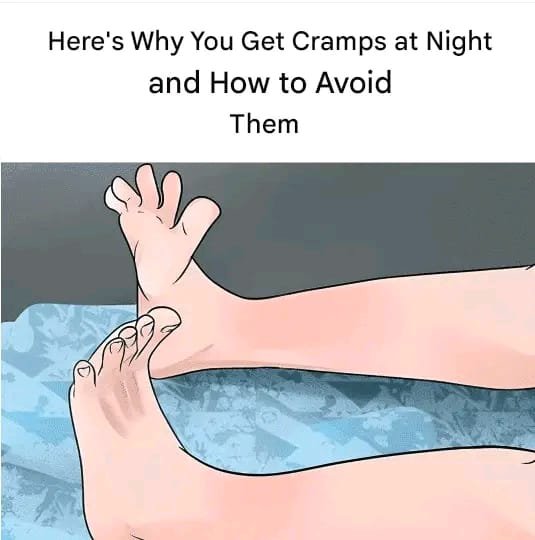
This Is Why You Get Cramps at Night: 8 Possible Causes and How to Find Relief
Have you ever been sleeping peacefully when a sudden, painful muscle cramp strikes your calf or foot? The muscle tightens without warning, leaving you struggling to stretch your leg or find a comfortable position.
Nighttime muscle cramps are common, particularly in the calves, feet, and thighs. They can last from a few seconds to several minutes and sometimes leave the affected muscle sore the next morning.
But why do these cramps happen, and is there anything you can do to prevent them?
The good news is that many nighttime cramps are harmless and can be relieved with simple measures. However, frequent or persistent cramps may sometimes be associated with medications or underlying health conditions.
1. Muscle Fatigue After a Busy Day
One possible explanation for nighttime cramps is muscle fatigue. Long periods of walking, standing, exercising, or performing unfamiliar physical activities can leave muscles more susceptible to cramping.
Cramps may occur after an especially active day, even if you did not notice discomfort while moving.
What may help: Increase exercise intensity gradually, stretch gently after activity, and allow adequate recovery between demanding workouts.
2. Staying in One Position for Too Long
Sleeping with your feet pointed downward may shorten the calf muscles and potentially contribute to cramping in some people.
Long periods of sitting or limited movement may also contribute to muscle discomfort, although the precise causes of nighttime cramps are not fully understood.
What may help: Try a comfortable sleeping position that allows your feet to remain relatively relaxed. If you sit for long periods during the day, take regular movement breaks.
3. Dehydration
Losing more fluid than you replace can affect normal muscle function, particularly when dehydration is accompanied by changes in electrolyte levels.
This may be more relevant after heavy sweating, strenuous exercise, vomiting, or diarrhea.
However, dehydration is not the explanation for every nighttime cramp, and many people experience cramps despite being adequately hydrated.
What may help: Drink fluids regularly throughout the day and replace fluid losses after exercise or illness. Follow any fluid restrictions prescribed for heart or kidney conditions.
4. Low Levels of Certain Minerals
Muscle contraction depends on electrolytes, including potassium, calcium, and magnesium. Significant imbalances can contribute to muscle symptoms, including cramps.
Nevertheless, most ordinary nighttime leg cramps are not automatically caused by a magnesium or potassium deficiency.
Taking supplements without a confirmed need may be ineffective and, in some circumstances, harmful. Excess potassium or magnesium can be particularly dangerous for people with impaired kidney function or those taking certain medications.
What may help: Eat a balanced diet that includes vegetables, fruit, beans, nuts, seeds, and other nutrient-rich foods. Ask a healthcare professional whether testing is appropriate if you have persistent cramps or risk factors for an electrolyte imbalance.
5. Pregnancy and Age-Related Changes
Nighttime leg cramps can occur during pregnancy and become more common with age.
The exact reasons vary, and age-related cramps do not necessarily indicate a vitamin deficiency or a serious illness.
What may help: Gentle calf stretching before bed, comfortable footwear, and regular movement may reduce discomfort for some people. Pregnant individuals should consult their healthcare professional before starting supplements or a new exercise routine.
6. Certain Medications
Some medications may contribute to muscle cramps in certain individuals. Examples include diuretics, which can affect fluid and electrolyte balance, and some cholesterol-lowering medicines, which may cause muscle symptoms.
Do not assume that a medication is responsible simply because cramps began after taking it. Other causes may need to be considered.
What may help: If cramps started after beginning a new medicine or changing a dose, discuss the timing and symptoms with your pharmacist or healthcare professional. Never stop a prescribed medication on your own.
7. Nerve or Circulation Problems
Sometimes, nighttime leg discomfort is not an ordinary muscle cramp.
Nerve conditions, peripheral neuropathy, and certain circulation problems can cause pain, tingling, numbness, or other symptoms that resemble cramps.
For example, leg pain that repeatedly begins during walking and improves with rest can be associated with peripheral artery disease. Burning or tingling sensations may suggest a nerve-related problem.
What may help: Seek medical advice if cramps are frequent, worsening, or accompanied by persistent numbness, weakness, or changes in skin temperature or color.
Sudden severe pain with swelling, or a cold, pale, or weak limb, requires urgent assessment.
8. Underlying Health Conditions
In some cases, recurrent muscle cramps may occur alongside medical conditions affecting the nerves, kidneys, metabolism, or thyroid function.
However, nighttime cramps alone do not establish that a person has any of these conditions.
What may help: Arrange a medical appointment if cramps regularly interrupt your sleep, persist despite self-care, or occur with other unexplained symptoms. A clinician can determine whether an examination or blood tests are needed.
What to Do When a Nighttime Cramp Strikes
If your calf suddenly tightens while you are sleeping, try these steps:
- Straighten your leg. Gently extend the affected leg if you can do so comfortably.
- Pull your toes toward your shin. For a calf cramp, gently bring the toes upward rather than pointing them away from your body.
- Massage the muscle. Use gentle pressure to help the muscle relax.
- Stand or walk carefully. If you can do so safely, gentle weight-bearing may help relieve a calf cramp.
- Apply warmth. A warm towel or shower may ease lingering muscle tightness.
Avoid forceful stretching or aggressive massage, particularly if the leg is swollen, red, or unusually warm.
Three Habits That May Help Prevent Nighttime Cramps
Stretch Before Bed
Try a gentle calf stretch for 20–30 seconds on each side, repeating it a few times without bouncing or forcing the movement.
Regular stretching may help some people who experience frequent nighttime cramps, although results vary.
Stay Active During the Day
Regular, appropriate physical activity supports general muscle function. Increase activity gradually and avoid sudden increases in training intensity.
Review Your Daily Routine
Notice whether cramps occur after unusually strenuous exercise, prolonged standing, heavy sweating, or changes in medication. Keeping a brief record of when cramps happen may help you identify patterns to discuss with a healthcare professional.
When Should You See a Doctor?
Occasional nighttime cramps are usually not dangerous. However, arrange a medical appointment if they:
- Frequently interrupt your sleep.
- Persist or become increasingly painful.
- Occur alongside muscle weakness or persistent numbness.
- Begin after a medication change.
- Are accompanied by other unexplained symptoms.
Seek urgent medical care for one-sided leg swelling, redness, and warmth, especially when accompanied by pain. If these symptoms occur with chest pain or sudden shortness of breath, call emergency services immediately.
Final Thoughts
Nighttime muscle cramps can result from several factors, including muscle fatigue, sleeping position, pregnancy, medication effects, or certain medical conditions. In many cases, the exact cause remains uncertain.
Gentle stretching, appropriate hydration, regular movement, and a review of possible medication effects may help reduce episodes. Avoid assuming that every cramp signals a mineral deficiency or that supplements are always the answer.
If cramps are frequent, severe, or accompanied by other symptoms, a healthcare professional can help identify the cause and recommend appropriate treatment.
Medical disclaimer: This article is for educational purposes only and does not replace professional medical advice, diagnosis, or treatment.
SEO Details
SEO Title: Why Do You Get Leg Cramps at Night? 8 Possible Causes
Focus Keyphrase: nighttime leg cramps
Meta Description: Discover eight possible causes of nighttime leg cramps, how to relieve a sudden cramp, practical prevention tips, and when to seek medical advice.
URL Slug: why-leg-cramps-happen-at-night
Category: Health and Wellness
Tags: Nighttime Leg Cramps, Muscle Cramps, Calf Pain, Sleep Health, Muscle Health, Hydration, Electrolytes
Add a quick answer summaryClarify cramps versus clot symptoms