
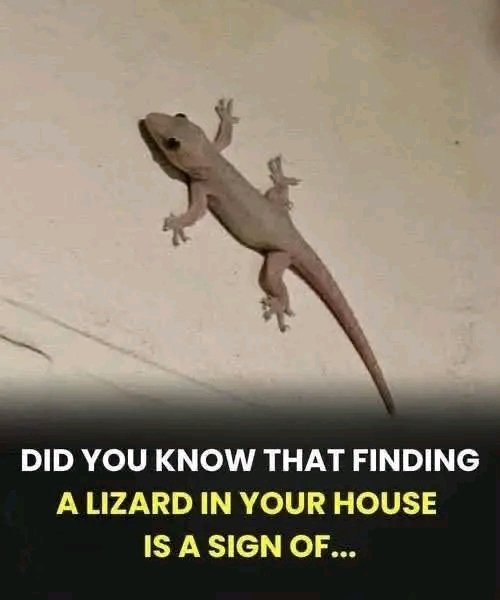
What Does It Mean When You Find a Lizard in Your House?
Finding a lizard inside your home can be surprising, especially if you suddenly spot one on a wall, behind furniture, or near a window. Some people associate lizards with luck, change, or spiritual messages, while others simply wonder how the little visitor got inside.
The truth is that a lizard in your house usually has a perfectly natural explanation. Here is what it may mean, from common household reasons to cultural beliefs.
1. Your Home May Have Plenty of Insects
One of the most common reasons lizards enter houses is the availability of food. Many small house lizards eat insects such as flies, mosquitoes, moths, and other tiny creatures.
If you frequently see lizards indoors, they may have discovered a convenient source of food near your lights, windows, or doors.
Helpful tip: Keep food areas clean, repair window screens, and reduce insects around outdoor lights.
2. The House Offers Shelter
Lizards are small animals that may enter through gaps under doors, cracks in walls, open windows, or other tiny openings.
Indoor spaces can offer protection from predators, wind, rain, and extreme temperatures. Warm walls and quiet corners may also provide suitable places for them to rest.
3. It May Be Looking for Warmth or a Cooler Place
Depending on the weather and the species, a lizard may seek a comfortable temperature. Because lizards are cold-blooded animals, their activity is influenced by the temperature of their surroundings.
During hot or rainy weather, one may enter a house accidentally while searching for shelter.
4. Does a Lizard in the House Mean Good Luck?
In some cultures and traditions, lizards are associated with good fortune, protection, renewal, or prosperity. Other traditions attach different meanings to their appearance.
These interpretations can be interesting parts of cultural folklore, but there is no scientific evidence that finding a lizard predicts wealth, marriage, bad luck, or future events.
The meaning people give the encounter often depends on their personal beliefs and cultural background.
5. Is a Lizard in Your Home Dangerous?
Most small house geckos and similar lizards are harmless to people and generally avoid contact with humans. They can even help reduce the number of insects indoors.
Nevertheless, avoid handling an unfamiliar lizard with bare hands. Wild reptiles can carry bacteria such as Salmonella, even when they appear healthy.
If you need to move one, gently guide it into a container using a piece of cardboard, then release it outdoors in a suitable sheltered location. Wash your hands afterward and keep children and pets from handling it.
6. How Can You Prevent Lizards From Entering?
If you prefer not to have lizards indoors, try these simple steps:
- Seal gaps around doors, windows, and pipes.
- Install or repair insect screens.
- Reduce insects by keeping lights near entrances to a minimum when practical.
- Keep rooms tidy and remove clutter where insects may gather.
- Avoid leaving doors and windows open without screens.
Reducing the insects that attract lizards can also make your home less appealing to them.
Final Thoughts
Finding a lizard in your house usually means that it found a way inside and discovered food, shelter, or a comfortable temperature. Although some traditions view lizards as symbols of luck or transformation, their presence is not a reliable sign of future events.
So the next time you see a little lizard on your wall, there is usually no reason to panic. It may simply be a tiny visitor looking for its next meal!
Add a quick answer summaryClarify safe removal stepsAdd a stronger reader takeaway