
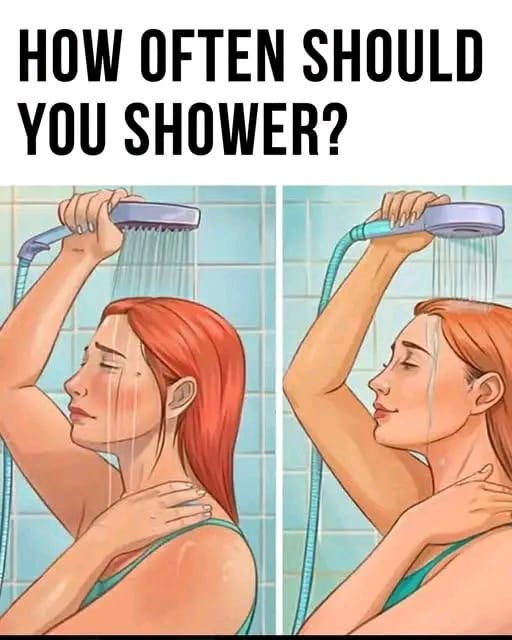
How Often You Should Really Shower: What Experts Want You to Know
Showering is part of most people’s daily routine, but have you ever wondered whether you really need to shower every day? While some people feel uncomfortable without a daily shower, others prefer to wash less frequently. According to dermatology guidance, the ideal shower routine depends on your skin type, activity level, climate, age, and personal needs.
Showering too infrequently may allow sweat, oil, and dirt to accumulate. On the other hand, taking long, hot showers or using harsh soaps too often can dry out the skin and irritate its natural protective barrier.
So, how often should you really shower? Here’s what you need to know.
How Often Should You Shower?
For many healthy adults, showering several times a week may be sufficient, especially when they are not sweating heavily or getting particularly dirty. However, showering daily can also be perfectly reasonable if you enjoy it, live in a hot climate, exercise regularly, or have a job that causes you to sweat.
There is no single shower schedule that works for everyone. The goal is to keep your skin clean without unnecessarily stripping away its natural oils.
Consider these general guidelines:
- Daily showering: May be useful for people who exercise, sweat heavily, work outdoors, or live in hot and humid environments.
- Showering every other day: May work well for people with relatively low activity levels and normal skin.
- Showering less frequently: May be suitable for some people with dry or sensitive skin, provided they maintain appropriate hygiene and wash areas that need more frequent cleaning.
These are flexible guidelines, not strict medical rules. Your circumstances matter more than following a particular number of showers per week.
Why Showering Too Often Can Affect Your Skin
Your skin has a protective outer barrier that helps retain moisture and defend against irritants. Frequent exposure to hot water, strong cleansers, and vigorous scrubbing can weaken this barrier.
Possible effects include:
1. Dryness and Flaking
Hot water and harsh soaps can remove some of the oils that help keep your skin moisturized. You may notice rough patches, flaking, or a tight feeling after showering.
2. Itching and Irritation
When the skin becomes dry, itching and irritation can develop. Fragranced body washes and exfoliating products may make the problem worse, particularly if you have sensitive skin.
3. Worsening of Certain Skin Conditions
People with eczema or other skin conditions may find that long, hot showers aggravate their symptoms. Gentle cleansing, shorter showers, and regular moisturizing can help protect the skin barrier.
This does not mean you must avoid daily showers. Adjusting the water temperature, duration, and products you use may be enough.
What Happens If You Do Not Shower Often Enough?
Showering less frequently is not automatically unhealthy, but hygiene needs still have to be met.
Sweat, natural skin oils, dead skin cells, and environmental dirt can build up. In areas where moisture and friction are common, this may contribute to body odor, irritation, and certain skin problems.
Pay particular attention to areas such as:
- The armpits
- The groin and external genital area
- The feet, including between the toes
- Skin folds, especially in hot weather
These areas may need daily washing even when you do not take a full-body shower every day. Use gentle cleansing methods and dry the skin carefully, especially in areas where moisture collects.
Does Your Age Affect How Often You Should Shower?
Yes, age can influence your showering needs.
Older Adults
As people age, their skin often becomes thinner, drier, and more sensitive. Some older adults may find that frequent hot showers worsen dryness or itching.
A shorter shower with lukewarm water, a mild cleanser, and moisturizer afterward may be more comfortable. Washing the face, hands, armpits, groin, and feet regularly remains important.
Children
Young children generally do not need the same bathing routine as adults every day unless they get dirty, sweat heavily, or have specific hygiene needs. As children become more active, their bathing frequency may increase.
Infants have especially delicate skin, so caregivers should follow age-appropriate bathing guidance from a pediatric healthcare professional.
How Long Should a Shower Last?
For most people, a shower lasting around 5 to 10 minutes is a practical target. Shorter showers can reduce skin dryness and save water, particularly when the water is warm rather than hot.
Try these simple habits:
- Use lukewarm water instead of very hot water.
- Choose a gentle, fragrance-free cleanser if your skin is sensitive.
- Avoid scrubbing your skin aggressively.
- Pat your skin dry with a towel rather than rubbing vigorously.
- Apply moisturizer soon after showering while your skin is still slightly damp.
If you have persistent dryness, cracking, a rash, or ongoing itching, consider speaking with a healthcare professional.
Should You Shower Every Day in Hot Weather?
In hot or humid climates, daily showering may be more comfortable because sweating can increase body odor and leave the skin feeling sticky. After exercise or heavy sweating, washing can help remove sweat, dirt, and irritating residues.
However, you do not necessarily need multiple full-body showers every day. Depending on your activity level, rinsing off sweat or gently washing specific areas may be sufficient.
If you shower more than once a day, keep showers brief, avoid repeated use of strong cleansers, and moisturize if your skin becomes dry.
What About Showering in the Morning Versus at Night?
There is no universally superior time to shower. Both morning and evening showers can fit into a healthy routine.
Morning showers may help you feel refreshed and remove sweat that accumulated overnight.
Evening showers can wash away sweat, dust, sunscreen, and other residues collected during the day.
If you exercise in the evening, showering afterward may be useful. If your skin is dry or sensitive, focus more on gentle cleansing than on the time of day.
Signs Your Shower Routine May Need Adjusting
Your skin can provide clues about whether your routine is too harsh or not meeting your hygiene needs.
Consider adjusting your habits if you notice:
- Tightness or itching after showering
- Persistent dry or flaky patches
- Redness or irritation after using a body wash
- Strong body odor despite regular washing
- Irritation in areas where sweat and moisture collect
Persistent or severe symptoms may have causes unrelated to shower frequency and should be assessed by a healthcare professional.
The Bottom Line
How often you should shower depends on your body, lifestyle, environment, and skin condition. Many people do well with several showers a week, while daily showering may be more suitable for those who sweat heavily, exercise frequently, or live in hot weather.
The most important principles are simple: use lukewarm water, keep showers reasonably short, choose gentle products, and wash areas that need regular attention.
Healthy hygiene is not about taking the most showers—it is about keeping clean while protecting your skin.
Medical disclaimer: This article is for general educational purposes only and is not a substitute for individualized medical advice. If you have a persistent skin condition or unusual symptoms, consult a qualified healthcare professional.
WordPress SEO details
- SEO title: How Often Should You Shower? What Experts Recommend
- Focus keyphrase: how often should you shower
- Meta description: Discover how often you should shower, how age and activity affect your routine, and how to keep your skin clean without causing dryness or irritation.
- URL slug:
how-often-should-you-shower - Category: Health & Wellness
- Tags: Showering Tips, Skin Health, Personal Hygiene, Healthy Habits, Skincare