
Ant Problem? Simple Home Remedies That May Help Keep Ants Away
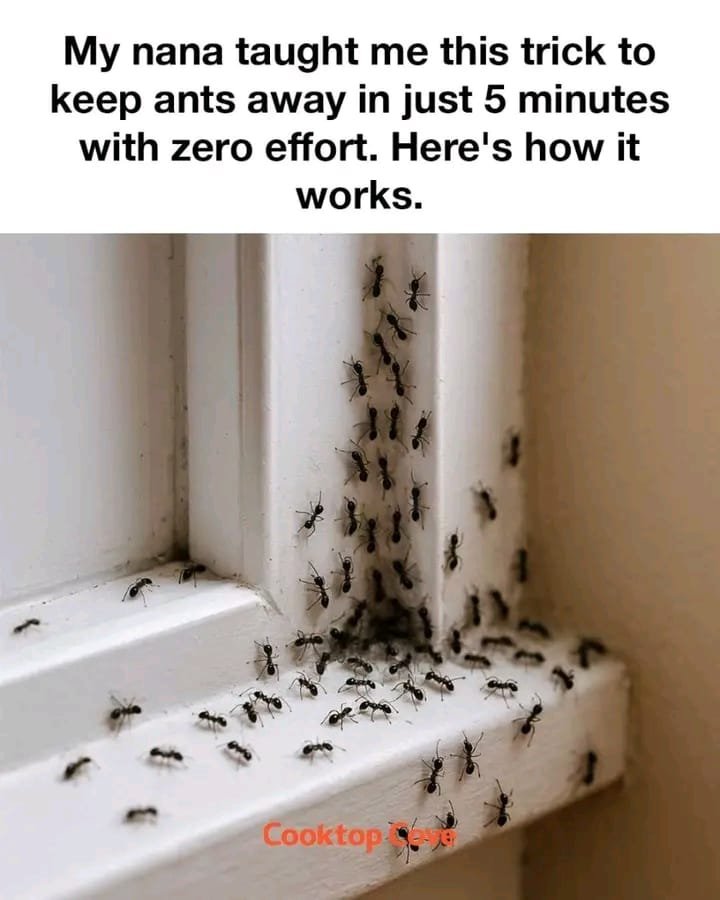
Have you ever walked into your kitchen and discovered a trail of ants heading straight toward your sugar bowl, fruit basket, or pantry? Ants can appear seemingly out of nowhere, and once they find a source of food, they may keep coming back.
The good news is that you can often reduce ant activity with a few simple household measures. The secret is not just driving ants away temporarily, but removing the things that attract them and blocking the routes they use to enter your home.
Why Do Ants Keep Coming Back?
Ants enter homes in search of food, water, and shelter. Once a worker ant discovers a food source, it can leave a chemical trail that helps other ants find the same location.
Even tiny crumbs, sticky spills, pet food, and dripping taps can attract them. That is why cleaning visible ants without addressing the source may not solve the problem.
5 Simple Ways to Help Keep Ants Away
1. Clean Ant Trails With Soapy Water
One of the easiest first steps is to wipe ant trails with warm water and a little dish soap.
How to do it:
- Mix a small amount of dish soap into warm water.
- Dampen a cloth with the solution.
- Wipe the surfaces where ants are traveling.
- Clean away crumbs and food residue, then dry the area.
This can remove food residues and disrupt the chemical trails ants follow. It may need to be repeated if ants return.
2. Use Vinegar to Clean Certain Surfaces
A solution of equal parts water and white vinegar can help clean some hard, nonporous surfaces and temporarily interfere with ant trails.
Spray the solution onto a cloth or suitable surface, wipe it clean, and allow the area to dry.
However, vinegar is not a guaranteed ant repellent, and its acidity can damage natural stone, some finishes, and other sensitive materials. Test an inconspicuous area first.
Never mix vinegar with bleach or other cleaning chemicals.
3. Store Food in Sealed Containers
Ants are persistent when food is readily available. Store sugar, flour, cereal, biscuits, and other pantry items in tightly sealed containers.
Clean spills promptly, avoid leaving dirty dishes overnight, and store pet food securely when it is not being used.
Removing their food supply is one of the most effective ways to discourage ants from returning.
4. Seal Entry Points
Look for small gaps around windows, doors, pipes, baseboards, and other places where ants enter.
Seal suitable cracks with caulk and repair damaged screens or door seals. Keep outdoor vegetation from touching the house where practical.
Blocking entry routes can reduce the chance of new ants coming inside.
5. Consider Ant Bait for Persistent Problems
If ants keep returning, a commercially available ant bait labeled for the particular ant species may be more effective than a surface spray.
Worker ants carry bait back to the colony, which can help control ants beyond the ones you see. Follow the product label carefully and keep all bait inaccessible to children and pets.
Avoid spraying insecticides directly around bait stations unless the product instructions specifically permit it, because sprays may interfere with bait effectiveness.
What About Lemon Juice, Cinnamon, or Peppermint Oil?
You may see recommendations for lemon juice, cinnamon, coffee grounds, or essential oils as natural ant repellents. Some may temporarily discourage ants in particular situations, but the results are inconsistent, and they generally do not eliminate an established colony.
Essential oils can also be harmful to pets, especially cats, if used improperly. Keep these products away from children and animals, and do not rely on them as your only control method.
Common Mistakes That Make Ant Problems Worse
- Leaving crumbs or sugary spills on counters.
- Ignoring dripping taps or other moisture sources.
- Killing visible ants without cleaning their trails.
- Using several insecticides together.
- Leaving bait where children or pets can reach it.
- Failing to investigate recurring entry points.
When Should You Call a Pest Control Professional?
Consider professional help if ants repeatedly return despite good sanitation and sealing, if you discover large numbers of ants indoors, or if you suspect carpenter ants that may damage wood.
A professional can help identify the species, locate the colony, and recommend an appropriate treatment.
Final Thoughts
There is no single household trick guaranteed to keep every ant away forever. However, combining trail cleaning, proper food storage, moisture control, and sealing entry points can make a significant difference.
Start with the simplest steps: remove what attracts ants, clean the routes they follow, and prevent them from getting inside. If the problem persists, a suitable ant bait or professional treatment may be the next best option.
The key to long-term ant control is eliminating the reason they keep visiting—not just removing the ants you can see.
Add a quick-start checklistClarify the vinegar cleaning steps