
Full recipe 👇👇
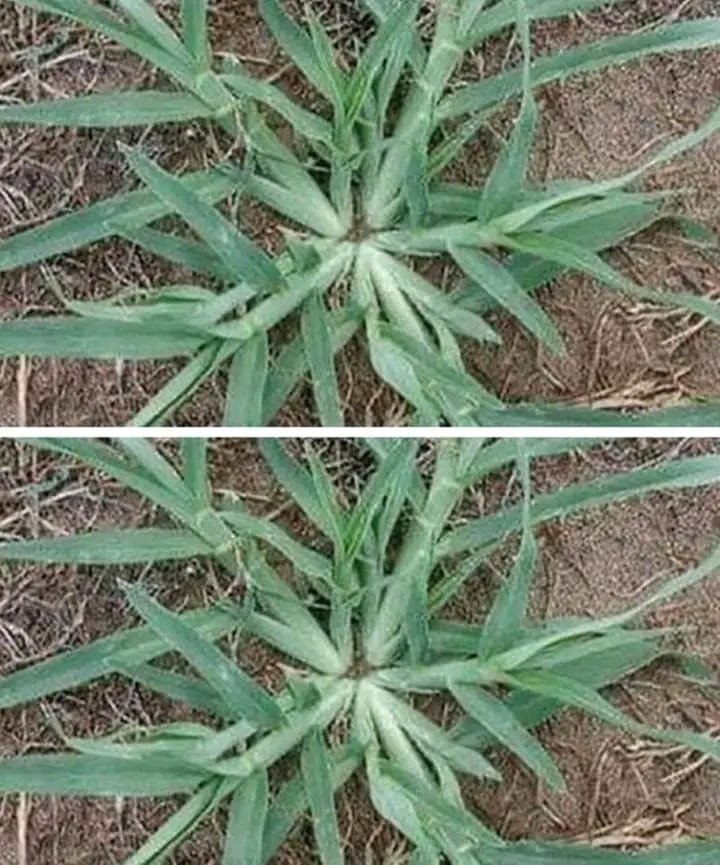
Never Uproot This Plant If It Appears in Your Garden: Discover the Benefits of Purslane
Have you ever spotted a small, spreading plant growing between your garden vegetables or along a sunny pathway and assumed it was just another weed? Before pulling it out, take a closer look. It might be purslane (Portulaca oleracea), an edible plant that has been used in traditional cooking for generations.
Purslane has fleshy green leaves, reddish stems, and a slightly tangy, lemony flavor. It grows in many parts of the world and can thrive in warm weather, making it a familiar sight in gardens and vegetable patches.
Although it is sometimes treated as an unwanted weed, purslane can be a useful addition to the kitchen. Here is how to identify it, understand its nutritional value, and prepare a simple recipe at home.
Why Is Purslane Worth Keeping?
1. It Contains Valuable Nutrients
Purslane provides fiber and several nutrients, including vitamin C and carotenoids. It also contains minerals and plant compounds that contribute to its nutritional profile.
Its exact nutritional content depends on growing conditions, maturity, and preparation.
2. It Is a Source of Plant-Based Omega-3 Fatty Acids
Purslane is notable among leafy plants for containing alpha-linolenic acid (ALA), an omega-3 fatty acid.
ALA is an essential fat that the body needs from food. However, purslane should be considered one potential contributor to a balanced diet rather than a treatment for cardiovascular disease or inflammation.
3. It Can Be Used in Many Dishes
Purslane has a refreshing, slightly sour flavor and a crisp texture. You can add young leaves and tender stems to salads, soups, omelets, and cooked vegetable dishes.
In some Mediterranean and Middle Eastern cuisines, it is combined with yogurt, garlic, lemon, or olive oil.
4. It Can Benefit Your Garden
Purslane grows close to the ground and may help cover bare soil. However, it can spread quickly and compete with crops for space and water.
If you want to keep some in your garden, consider growing it in a designated area or container so that it does not become difficult to manage.
How to Identify Purslane Safely
Before eating any wild plant, make sure it has been correctly identified.
Purslane commonly has:
- Smooth, reddish or green fleshy stems.
- Small, thick, succulent leaves.
- Low, spreading growth.
- Tiny yellow flowers.
Important safety warning: Purslane can be confused with other plants, including spotted spurge, which has a milky sap and is not suitable for eating. Purslane generally does not produce milky sap when its stem is broken, but this feature alone is not enough to confirm identification.
Never eat an unfamiliar plant based only on a photograph or a social media description. Ask a knowledgeable local expert if you are uncertain.
Harvest only from areas free of pesticides, herbicides, roadside pollution, and animal contamination. Wash the leaves and stems thoroughly under running water before use.
Easy Purslane Salad With Garlic and Lemon
This simple recipe highlights purslane’s fresh flavor and crunchy texture.
Preparation time: 10 minutes
Cooking time: None
Servings: 2
Ingredients
- 2 cups fresh purslane leaves and tender stems
- 1 small tomato, chopped
- 1 small cucumber, diced
- 1 tablespoon extra-virgin olive oil
- 1 tablespoon fresh lemon juice
- 1 small garlic clove, finely minced
- Salt and black pepper, to taste
- Optional: 2 tablespoons plain yogurt or a little chopped parsley
Instructions
- Remove any tough stems and discard damaged leaves.
- Wash the purslane thoroughly under running water and drain well.
- Combine the purslane, tomato, and cucumber in a bowl.
- Mix the olive oil, lemon juice, garlic, salt, and pepper in a small separate bowl.
- Pour the dressing over the vegetables and toss gently.
- Add yogurt or parsley if desired.
- Serve immediately as a fresh side dish.
Serving suggestion: Enjoy this salad alongside grilled fish, chicken, lentils, or whole-grain bread.
Other Ways to Enjoy Purslane
If you would like to use this plant in different meals, try these ideas:
- Purslane omelet: Add chopped, washed leaves to beaten eggs with onion and herbs.
- Purslane soup: Simmer the leaves with vegetables, garlic, and broth.
- Yogurt dip: Combine finely chopped purslane with plain yogurt, garlic, and lemon.
- Cooked greens: Sauté the leaves briefly in olive oil with garlic.
Cooking softens purslane’s texture, while using it raw preserves its crispness.
Are There Any Precautions?
Purslane naturally contains oxalates. People who have been advised to limit dietary oxalates, particularly some individuals with calcium oxalate kidney stones, should ask their healthcare professional whether it is appropriate for them.
As with any edible plant, start with a modest serving if you have never eaten it before. Do not use purslane as a replacement for prescribed medication or medical treatment.
Final Thoughts
The next time a low-growing plant appears in your garden, resist the temptation to identify it as a weed immediately. If it is correctly identified as purslane and has grown in a safe environment, it may offer a nutritious and flavorful addition to your meals.
From fresh salads to soups and omelets, this humble plant has many culinary uses. Still, identification matters more than any claimed health benefit: never eat a wild plant unless you are confident it is safe.
WordPress SEO Details
SEO Title: Never Uproot Purslane Before Discovering Its Uses
Focus Keyphrase: purslane plant benefits
Meta Description: Discover how to identify edible purslane, learn about its nutrients, and make an easy purslane salad with garlic, lemon, and olive oil.
URL Slug: purslane-plant-benefits-recipe
Category: Gardening & Recipes
Tags: Purslane, Edible Wild Plants, Garden Plants, Healthy Recipes, Mediterranean Salad, Garden Tips
Add a stronger reader-friendly openingMake the safety warning more prominent