
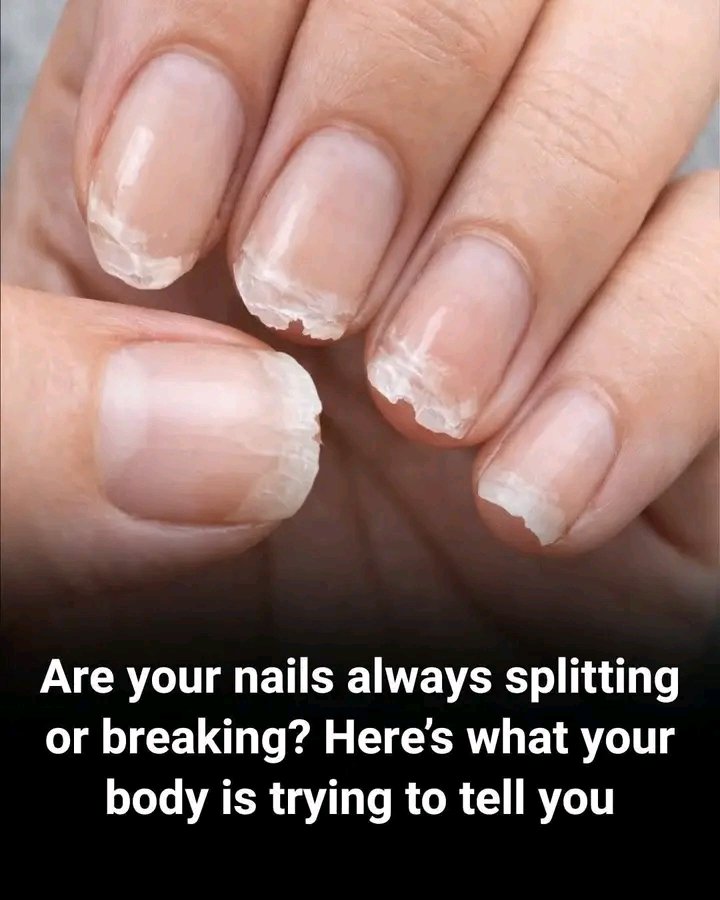
Weak or Brittle Nails: What Your Body Is Trying to Tell You
Weak, splitting, or brittle nails are a common concern. You may notice that your nails break easily, peel into layers, develop ridges, or grow more slowly than usual. Although these changes are often harmless, they can sometimes provide clues about your overall health.
Understanding the possible causes of brittle nails can help you decide when simple nail care is enough and when it may be worth speaking with a healthcare professional.
What Causes Weak or Brittle Nails?
Healthy nails are made primarily of keratin, a protein that gives them their structure and strength. When nails become fragile, several factors may be responsible, ranging from everyday habits to underlying health conditions.
1. Frequent Exposure to Water and Cleaning Products
Repeatedly wetting and drying your hands can weaken the nail structure. Household detergents, cleaning chemicals, and harsh nail products may also contribute to splitting and peeling.
What you can do: Wear protective gloves when cleaning, moisturize your hands regularly, and apply a nourishing cream or petroleum jelly to your nails and cuticles.
2. Nutritional Deficiencies
Your body needs adequate nutrition to maintain healthy nails. Iron deficiency, in particular, can sometimes be associated with brittle or spoon-shaped nails.
Other nutritional deficiencies may affect nail health, but brittle nails alone do not prove that you lack a particular vitamin or mineral.
What you can do: Eat a balanced diet containing protein, leafy green vegetables, beans, eggs, nuts, seeds, and other nutrient-rich foods. If you also experience unusual fatigue, weakness, or other symptoms, ask a healthcare professional whether blood tests are appropriate.
Avoid taking iron or high-dose vitamin supplements without a clear reason, as excessive amounts can be harmful.
3. Thyroid Problems
Thyroid disorders can affect many aspects of the body, including skin, hair, and nails. Some people with an underactive thyroid experience dry skin, hair changes, and fragile nails.
However, nail changes alone cannot diagnose a thyroid condition.
If brittle nails occur alongside persistent tiredness, unusual sensitivity to cold, unexplained weight changes, or constipation, consider discussing these symptoms with your healthcare provider.
4. Aging and Natural Nail Changes
Nails may become more brittle with age. Their growth rate and texture can change over time, making them more likely to split or break.
Keeping nails at a manageable length, filing rough edges gently, and moisturizing regularly can help reduce damage.
5. Nail Polish, Gel Manicures, and Acetone
Frequent manicures, gel polish removal, artificial nails, and acetone-based removers can damage the nail surface. Aggressive filing and peeling off gel polish may make the problem worse.
Helpful tip: Give your nails breaks between manicures, avoid scraping or peeling polish away, and remove products gently according to their instructions.
6. Fungal Infections and Other Nail Conditions
Nails that become thick, discolored, crumbly, or detached from the nail bed may have a fungal infection or another nail disorder.
Psoriasis and certain inflammatory conditions can also cause pitting, ridges, or changes in nail shape.
Because different nail conditions can look similar, a healthcare professional may need to examine the nail or test a sample before recommending treatment.
What Do Different Nail Changes Mean?
Nail appearance can offer clues, but no single change reliably identifies a disease.
- Splitting or peeling: Often associated with repeated wetting, drying, or physical damage.
- Spoon-shaped nails: Can sometimes be associated with iron deficiency.
- Thick, yellow, or crumbly nails: May indicate a fungal infection or another nail condition.
- Small pits in the nail surface: Can occur with psoriasis and some other conditions.
- New dark streaks: May have several causes and should be assessed if unexplained, changing, or widening.
Do not rely on nail appearance alone to diagnose a nutritional deficiency or medical condition.
Simple Ways to Support Stronger Nails Naturally
You can improve nail care by adopting a few consistent habits.
1. Moisturize daily. Apply hand cream after washing your hands and use petroleum jelly on dry nails and cuticles before bed.
2. Protect your hands. Wear gloves when washing dishes or using cleaning products.
3. Trim nails regularly. Keep them at a practical length and file rough edges gently in one direction.
4. Eat a balanced diet. Include sufficient protein and a variety of foods containing iron, zinc, and other essential nutrients.
5. Avoid damaging treatments. Limit harsh removers, excessive buffing, and repeated gel or artificial nail applications if your nails are fragile.
6. Be patient. Fingernails grow slowly. Visible improvement may take several months as healthier nail gradually grows out.
When Should You See a Doctor?
Consider seeking medical advice if brittle nails persist despite careful nail care, repeatedly break without an obvious reason, or occur alongside other unexplained symptoms.
Arrange an assessment for new or unusual dark discoloration, significant nail deformity, swelling, pain, or changes affecting only one nail. A dark streak that is widening or spreading onto the surrounding skin needs prompt evaluation.
A healthcare professional can determine whether the changes are caused by everyday damage, a nutritional problem, an infection, or another condition.
Frequently Asked Questions
Can brittle nails mean I have a vitamin deficiency?
Sometimes, but brittle nails have many possible causes. A nutritional deficiency cannot be confirmed from nail appearance alone.
Does drinking more water strengthen nails?
Staying hydrated supports general health, but drinking extra water will not necessarily correct brittle nails caused by physical damage, nutritional deficiencies, or medical conditions.
Which foods help maintain healthy nails?
Eggs, fish, beans, lean meats, nuts, seeds, vegetables, and whole grains can help provide the protein, iron, zinc, and other nutrients your body needs.
How long does it take for brittle nails to improve?
Improvement depends on the cause. Because fingernails grow slowly, replacing damaged nail tissue can take several months.
Conclusion
Weak or brittle nails are often caused by everyday wear and tear, frequent exposure to water, or harsh nail treatments. In some cases, they may be associated with nutritional deficiencies or underlying health conditions.
Gentle nail care, a balanced diet, and protection from chemicals can help maintain healthier nails. If changes persist or appear alongside other symptoms, professional evaluation is the best way to understand what your body may be telling you.
Have you noticed your nails becoming weak, splitting, or peeling? Share your nail-care tips in the comments below!