
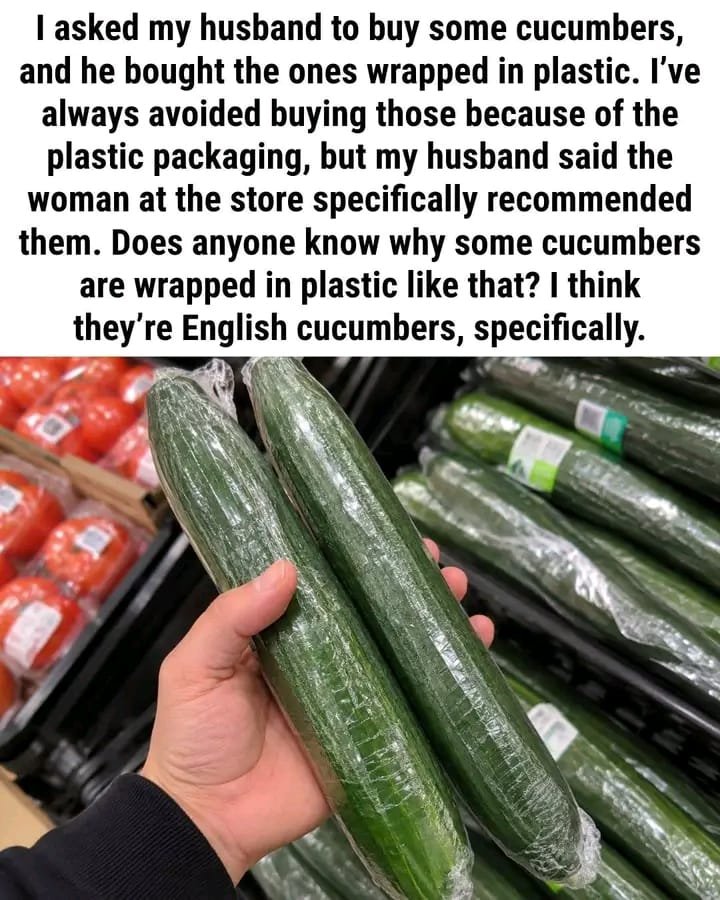
Why Are English Cucumbers Always Vacuum-Wrapped in Plastic?
Have you ever wondered why English cucumbers are almost always sold wrapped in a thin layer of plastic? While many other vegetables are displayed loose in grocery stores, these long, smooth cucumbers often come completely covered in plastic film.
At first glance, it might seem unnecessary, especially when so much attention is being paid to reducing plastic waste. However, there is a practical reason behind this common packaging choice: plastic wrapping helps English cucumbers retain moisture, stay fresh, and reduce food waste during transportation and storage.
Let’s explore why this packaging is used, how it works, and whether it is really necessary.
1. English Cucumbers Lose Moisture Easily
English cucumbers, also called seedless or European cucumbers, have relatively thin, delicate skins compared with many traditional cucumber varieties.
After harvesting, cucumbers continue to lose water through their skin. As moisture escapes, they can become soft, shriveled, or less appealing.
The plastic film acts as a barrier that slows down water loss. By helping the cucumber retain moisture, the wrapping keeps it firm and crisp for longer.
2. Plastic Packaging Can Extend Shelf Life
Fresh cucumbers are sensitive to dehydration and changes in storage conditions. Plastic wrapping helps maintain a more humid environment around the vegetable.
Depending on the cucumber variety, packaging, temperature, and handling conditions, this can significantly extend its marketable shelf life.
That matters for supermarkets, distributors, and consumers because produce that stays fresh longer is less likely to be discarded before it can be eaten.
However, plastic wrapping does not prevent every form of spoilage. Cucumbers can still deteriorate if stored at unsuitable temperatures or exposed to damage.
3. It Protects the Cucumber During Transportation
English cucumbers are long and relatively delicate. Their smooth skin can be damaged by repeated handling, rubbing, and contact with other produce.
A plastic sleeve provides a degree of protection against superficial scratches, abrasion, and handling damage.
It also helps keep the cucumber clean during transport and display, although the packaging does not eliminate the need to wash the cucumber before cutting or eating it.
4. Why Don’t All Cucumbers Need Plastic Wrapping?
Not every cucumber variety has the same skin thickness, moisture-loss rate, or storage characteristics.
Some varieties have thicker or more protective skins and may be sold loose. Others are marketed with a wax coating or different packaging, depending on the producer and retailer.
English cucumbers are often grown and marketed for their smooth skin, mild flavor, and convenient slicing. Because their skin is relatively delicate, wrapping can help maintain their appearance and quality.
The decision also depends on the supply chain, local packaging practices, and the expected time between harvest and consumption.
5. Does Plastic Wrapping Reduce Food Waste?
Potentially, yes.
When produce dries out or becomes damaged, retailers may be unable to sell it, and consumers may throw it away. Packaging that extends freshness can reduce these losses.
Food waste also has environmental consequences because growing, transporting, refrigerating, and disposing of food require resources.
However, the environmental balance depends on several factors, including the type and amount of plastic used, how much food waste the packaging prevents, and whether the material can be recycled locally.
Plastic wrapping is therefore not automatically the most environmentally friendly option in every situation, but neither is it automatically wasteful if it prevents substantial food loss.
6. Is the Plastic Really Necessary?
Not in every circumstance.
Alternative approaches may include improved temperature management, different packaging materials, or selling cucumbers through supply chains that allow quicker distribution.
However, alternatives must provide sufficient protection against moisture loss and damage. A packaging material that uses fewer resources but causes significantly more produce to spoil may not deliver the environmental benefits consumers expect.
Researchers and food producers continue to explore packaging solutions that balance freshness, cost, convenience, and environmental impact.
7. How Should You Store English Cucumbers at Home?
Once you bring your cucumbers home, proper storage can help preserve their quality.
- Keep them cool, but avoid excessive cold. Cucumbers are sensitive to chilling injury, so very cold storage can damage their texture and appearance.
- Follow the packaging guidance. If the wrapping is intact and the cucumber is fresh, you can generally leave it on until you are ready to use it.
- Avoid unnecessary moisture. Wash cucumbers under running water before eating or cutting them, then dry them if you are storing any unused portion.
- Refrigerate cut cucumber. Place cut pieces in a clean, covered container and refrigerate promptly.
- Check for spoilage. Discard cucumbers that develop mold, a slimy surface, or an unpleasant smell.
Do not rely on plastic wrapping to make spoiled produce safe to eat.
Final Thoughts
English cucumbers are commonly wrapped in plastic because their relatively delicate skins make them vulnerable to moisture loss and handling damage.
The wrapping helps preserve firmness, maintain appearance, and extend shelf life. In some supply chains, those benefits may reduce food waste.
At the same time, plastic packaging creates environmental challenges, and its overall value depends on how much food it saves and what happens to the packaging afterward.
The next time you see a plastic-wrapped English cucumber at the supermarket, you will know that the packaging is not simply decorative. It serves a practical purpose, even as the search continues for more sustainable ways to keep fresh produce in good condition.
WordPress SEO Details
SEO Title: Why Are English Cucumbers Wrapped in Plastic? The Real Reason
Focus Keyphrase: why English cucumbers are wrapped in plastic
Meta Description: Discover why English cucumbers are wrapped in plastic, how packaging helps prevent moisture loss and food waste, and how to store cucumbers properly.
URL Slug: why-english-cucumbers-wrapped-in-plastic
Category: Food Facts
Tags: English Cucumbers, Food Storage, Plastic Packaging, Food Waste, Fresh Produce, Sustainability
Add a concise answer boxClarify storage advice for shoppers