
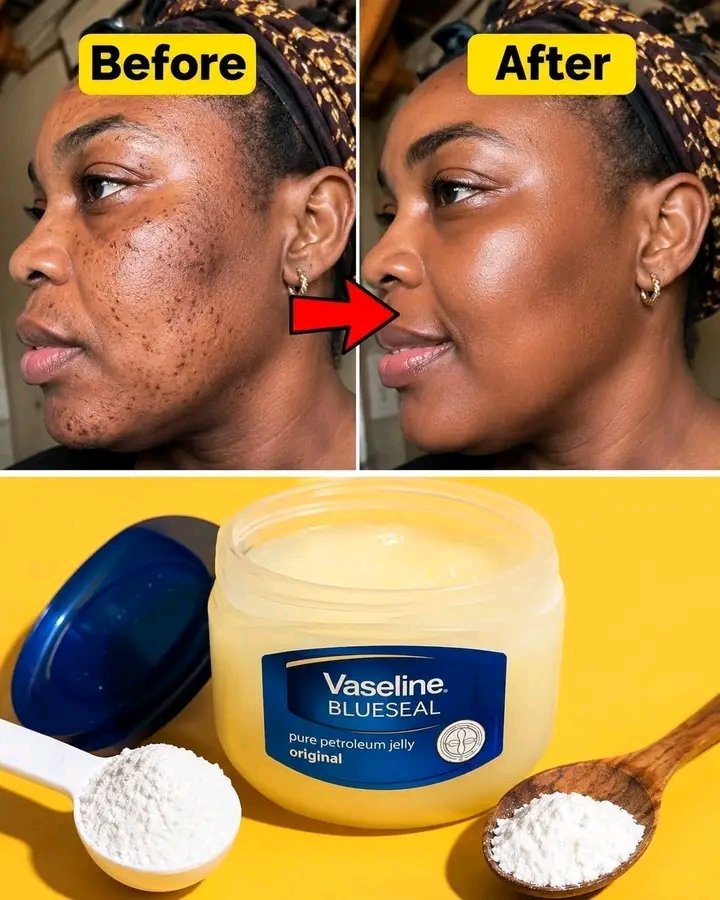
Can Petroleum Jelly Remove Skin Tags Overnight? What You Need to Know
Skin tags are small, soft growths that commonly appear on the neck, underarms, eyelids, and other areas where skin rubs together. Although they are usually harmless, they can sometimes catch on clothing or jewelry, causing discomfort.
Many online remedies claim that petroleum jelly can remove skin tags overnight. However, petroleum jelly does not dissolve or remove skin tags, and there is no reliable evidence that it can make them disappear in a single night.
The good news is that there are safe ways to care for the surrounding skin and medically established options for removing unwanted skin tags.
1. What Are Skin Tags?
Skin tags, medically known as acrochordons, are small, benign growths made up of skin and supporting tissue. They are more common in adults and often develop in areas exposed to friction.
Common characteristics include:
- Small, soft growths that may hang from the skin.
- A color similar to the surrounding skin or slightly darker.
- Appearance around the neck, underarms, groin, or eyelids.
- Usually painless, although friction can make them irritated.
Not every skin growth is a skin tag. Some other conditions can look similar, so an unfamiliar or changing growth should be examined by a healthcare professional.
2. What Does Petroleum Jelly Actually Do?
Petroleum jelly is an occlusive moisturizer that helps reduce water loss from the skin. It can protect dry or irritated skin and support the skin’s natural barrier.
However, it does not destroy the tissue that forms a skin tag.
How to Use Petroleum Jelly for Skin Protection
If the surrounding skin is dry or irritated:
- Gently wash the area with mild soap and water.
- Pat the skin dry.
- Apply a thin layer of plain petroleum jelly to the irritated surrounding skin.
- Stop using it if irritation develops.
This may help protect the skin from friction, but it will not remove the skin tag itself.
3. Safe Ways to Remove Skin Tags
If you want a skin tag removed, a healthcare professional can recommend an appropriate procedure, such as:
- Cryotherapy: Freezing the growth using a medical technique.
- Snip removal: Removing the skin tag with sterile medical instruments.
- Electrosurgery: Using controlled electrical energy to remove the growth.
The most suitable option depends on the growth’s location, size, and appearance.
Avoid cutting, tying off, burning, or applying harsh chemicals to skin tags at home. These methods can cause bleeding, infection, burns, and scarring. Products designed to remove warts are not necessarily safe for skin tags.
4. When Should You Have a Skin Growth Checked?
Consult a healthcare professional before attempting removal, especially if the growth:
- Changes color or grows rapidly.
- Bleeds without an obvious reason.
- Becomes painful or develops an ulcer.
- Looks different from your other skin tags.
- Is located near the eye or on a sensitive area.
A clinician can confirm whether the growth is actually a skin tag before treatment.
Final Thoughts
Petroleum jelly is useful for moisturizing and protecting skin, but it is not a proven skin-tag removal treatment. A growth that appears harmless should still be identified correctly before you try to remove it.
The safest approach is to protect your skin and seek professional removal when needed, rather than relying on overnight home remedies.
Have you noticed a small skin tag that catches on clothing or jewelry? A healthcare professional can help you choose a safe and effective removal option.
Add a concise medical disclaimerClarify the overnight answer immediately